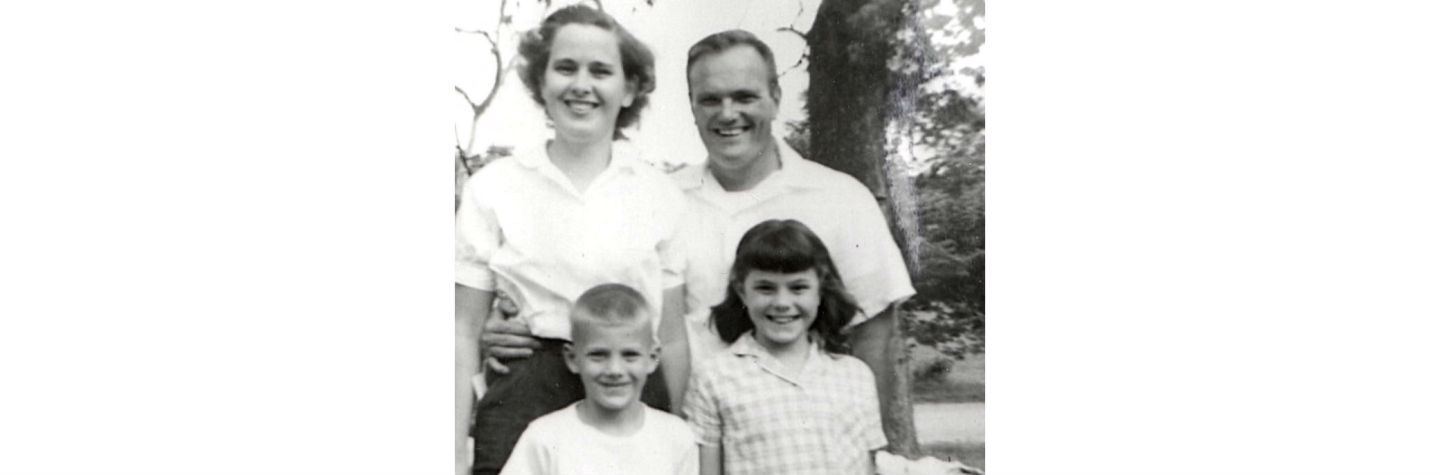
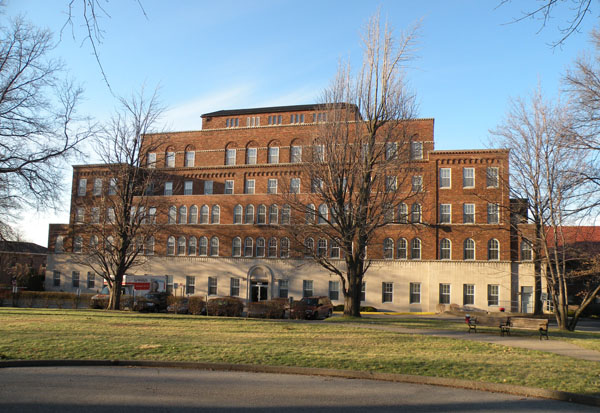
The war ended. Bill Nance was a civilian. He returned to Dayton, Ohio and lived with his parents.
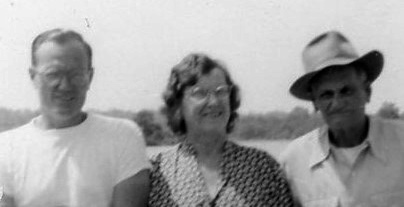
Shortly after his return, Bill became very ill. He suffered flu-like symptoms of high fever, chills and muscle aches. Despite being treated by a local doctor, his condition worsened. Bill suggested to his family that they take him to the local Veterans’ Hospital where he was admitted and diagnosed as having malaria. His recovery took several weeks.
I wonder about his mother’s thoughts during those days of his illness. Her only son had been away at war for more than three years. How it must have frightened her as she thought about losing him again.
William Robert “Bill” Nance was born in Hazelwood, Pennsylvania on January 6, 1921, the son of Mary and Russel Nance. Bill’s half-sister, Agnes (Nancy), was born on October 17, 1918.
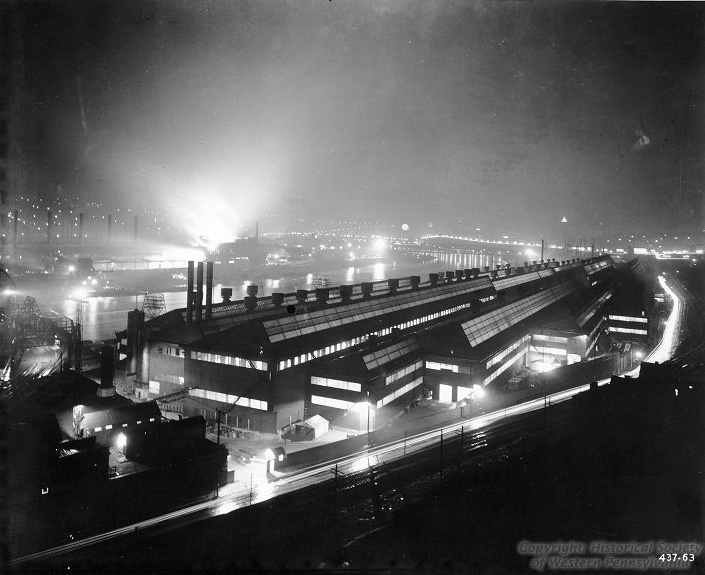
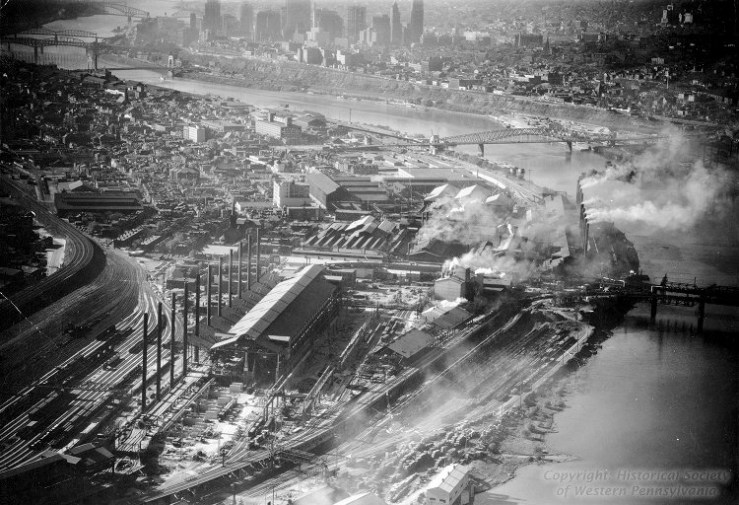
Hazelwood is located on the Monongahela River, a few miles upriver from city of Pittsburgh. Hazelwood was the site of the Jones & Laughlin Iron and Steel plant, one of the world’s largest steel and coke making facilities. The plant spanned both sides of the Monongahela River and was connected by a railroad bridge over 1000 feet long. Even though J&L built 15 smoke stacks, each 90 feet high, the air quality was still abysmal.
Smoke from the plant darkened the daytime skies. The rivers teemed with ferries and paddle-wheeled tugs pushing scores of large barges piled high with coal. The steel plant ran 24 hours, six days a week (it closed on Sundays). Flames 40-feet high belched from the blast furnaces, brightly lighting Hazelwood at night. The thumps, crashes, blasts and shift whistles from the plant were deafening. Trains rumbled through the center of Hazelwood. With each breath, you inhaled the smell of the steel industry and could taste the ash which covered everything.
Bill and his family were poor. When Bill was a child he used scraps of linoleum flooring to patch holes in the soles of his shoes. As a young boy, Bill and some of his cousins and uncles (who were around the same age) swam in the highly-polluted Monongahela River. They dove off bridges and swam in the wake of the paddle-wheeled tug boats.
A few years after Bill was born, Marie Nance was pregnant and contracted tuberculosis, a highly contagious disease. During the nineteenth and early twentieth centuries, tuberculosis (TB) was the leading cause of death in the United States.
In the 1920s the only treatment for TB was isolation. The infected were “encouraged” to enter sanatoria, where 50% of those who entered died within five years – even in the best of conditions.
At the sanatorium, Marie Nance gave birth to a girl. Unable to care for her child, she gave the baby up for adoption. The hospital staff recommended that Mary also give up Bill and Nancy for adoption, but Marie refused. Their father was either unwilling or unable to care for the children, so Bill and his sister Nancy were separated and placed in foster homes.
Nancy stayed with an Amish family and was treated well. Bill recalled a different experience. His foster parents disciplined him by shutting him in a closet and refusing him meals.
A few years later, Mary Nance recovered from TB and was reunited with Bill and Nancy. Russel returned and the family was together again. Near the end of the 1920s, Bill and his family left the Pittsburgh area and moved west to Dayton, Ohio.
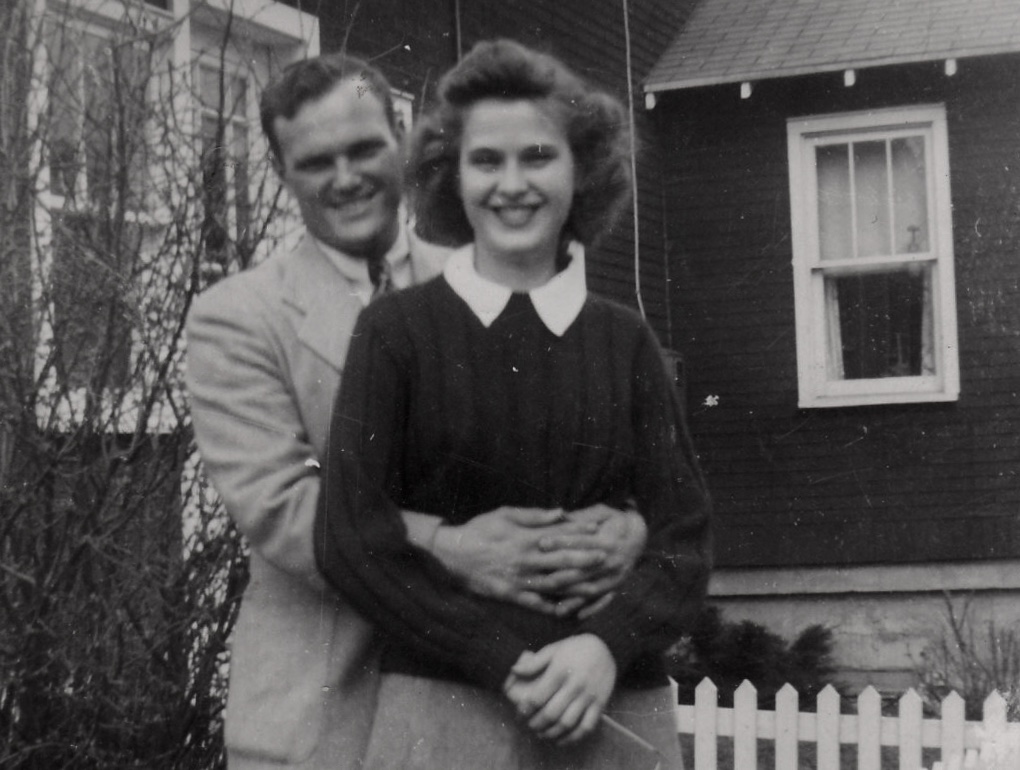
Early in 1946, Bill met 21-year-old Ruth Banis and they began dating.
In June 1946, Bill and Ruth were married in a civil service ceremony in Richmond, Indiana. Ruth’s older brother Al and his wife Velma attended as did Ruth’s brother, Dick.
Bill and Ruth spent their honeymoon at Niagara Falls.


They returned to Dayton and lived with Bill’s sister, Nancy and her husband (I’m not sure which one, she had several).
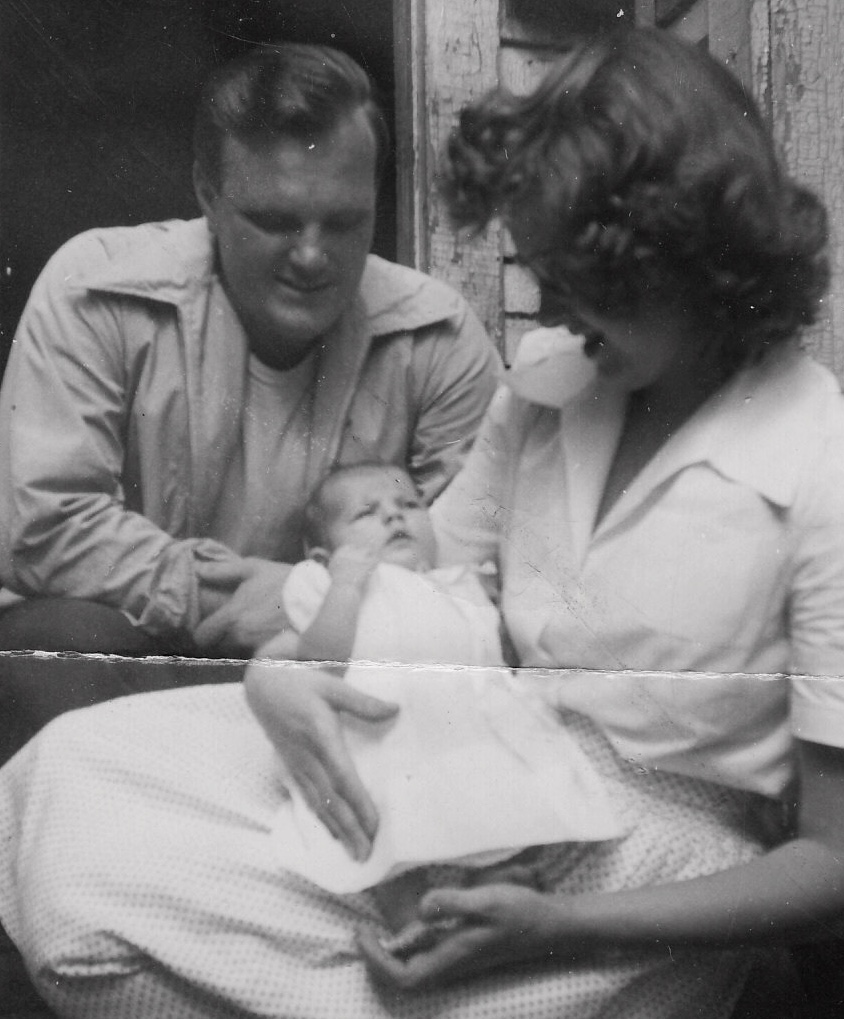
In May of 1947, Bill and Ruth’s first child, Carol, was born.
Bill was a dad.
A short time later, Bill and Ruth bought a vacant lot a few miles east of Eaton in Sampleville, Ohio, a village of a few dozen people located along Route 35. Bill and Ruth, with a lot of guidance from her father, built their own home. They shared in the construction effort. Ruth recalled, “I was never more tired than at the end of the day we poured the concrete for the foundation of that home.”
Bill was a homeowner.
Their second child, Steven, was born in 1950.
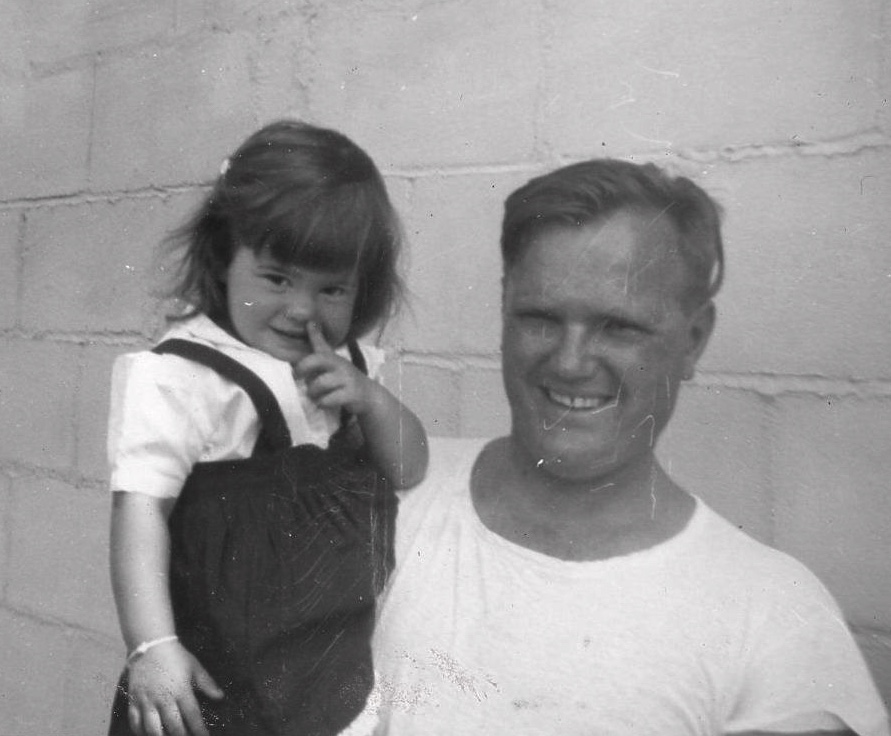
I was married when I was 23; my dad, when he was 25.
Numerous family pictures hang on a wall in our home. Side by side are photos of a young boy and his older sister. One of those is a photo of my dad (born 1921) and sister who was three years older. Another depicts me (born 1950) and my sister who is three years older.
I was a quiet and timid child. My sister was outgoing and bold. As a young child, I knew that she was tough and would and could protect me. She was my “big” sister and there remains a strong bond between us.
I have only one photo of my dad younger than the age of 12. To me, the young boy in that photo appears wary, standing slightly behind his big sister. She looks at the camera with a sense of defiance and warning. She reaches with her right hand toward her little brother, perhaps directing him to stay behind and be protected, perhaps to offer him the assurance that comes from holding a bigger and stronger hand.
There is no joy in that picture, but those were difficult years for my dad.


In the late 1940s, Bill found employment but frequently changed jobs. He was a taxi driver, a Fuller Brush salesman, a bartender, and a construction worker.
In the early 1950s, Bill began working as a truck driver for the Railway Express Agency (REA).
Sometimes I rode with him in his REA truck even though it was against company rules. I rode in the cargo area of the truck so as to keep out of sight. I sat on boxes or crates. I would spend time talking with Dad or reading comic books.
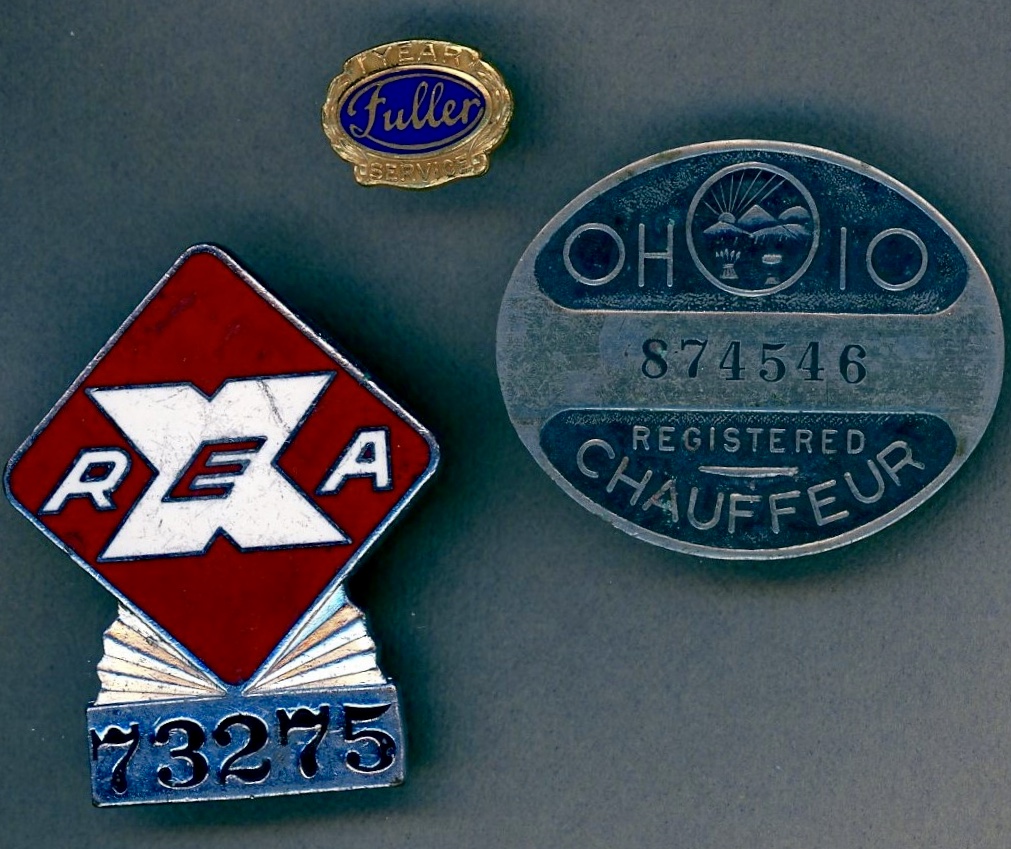
One winter day when I was about 12, I was riding with Dad in his company truck on West Third Street in Dayton. My dad asked me if I was hungry. Kind of a silly question to ask a twelve-year-old boy. Dad said, “I know a place near here that has great Coney Islands,” (a small hot dog with chili and cheese). He soon pulled along a street curb and parked the truck. Dad got out of the truck, warning me to stay out of sight.
Dad was gone for a while so I poked my head into the truck cab and stared out the window. A middle-aged black man walked past the truck and entered a nearby bar, emerging shortly after carrying a grease-stained, white paper bag. A few minutes later Dad exited the same bar and returned to the truck. He handed me a similar white bag. Dad slid behind the wheel and pulled the truck away from the curb.
As I munched on the first Coney, I asked him what had taken so long. Dad replied, “I had to wait for the food,” but I thought I could smell beer on his breath.
With sarcasm, I noted that another man had entered after him and exited much sooner. Dad paused then asked, “Him? They won’t let their kind sit at the bar; they can only have food to carry out.” I recalled thinking that seemed odd. I let the matter drop, but the memory stayed with me.
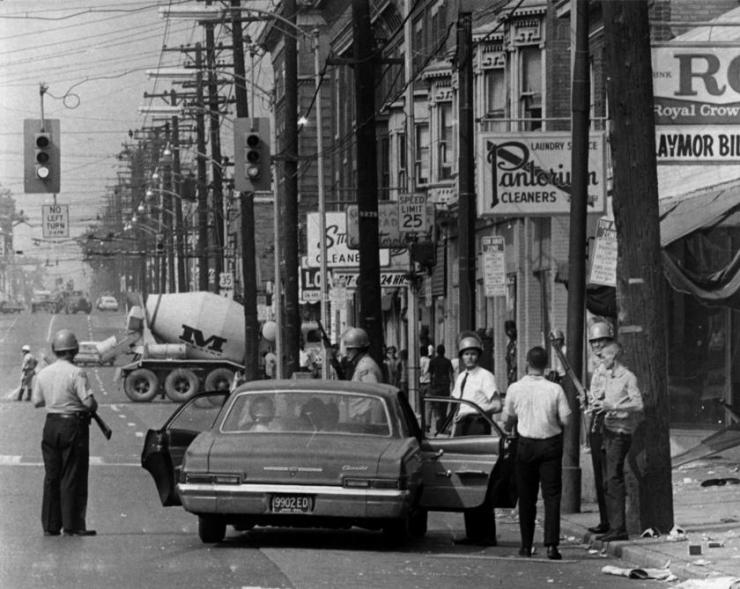
A few years later on a Friday night, only a few blocks from that bar, three white men killed a black man in a drive-by shooting. The city of Dayton plunged into riots. Scores were injured and hundreds arrested. More than 1000 armed members of the Ohio National Guard were needed to restore order.
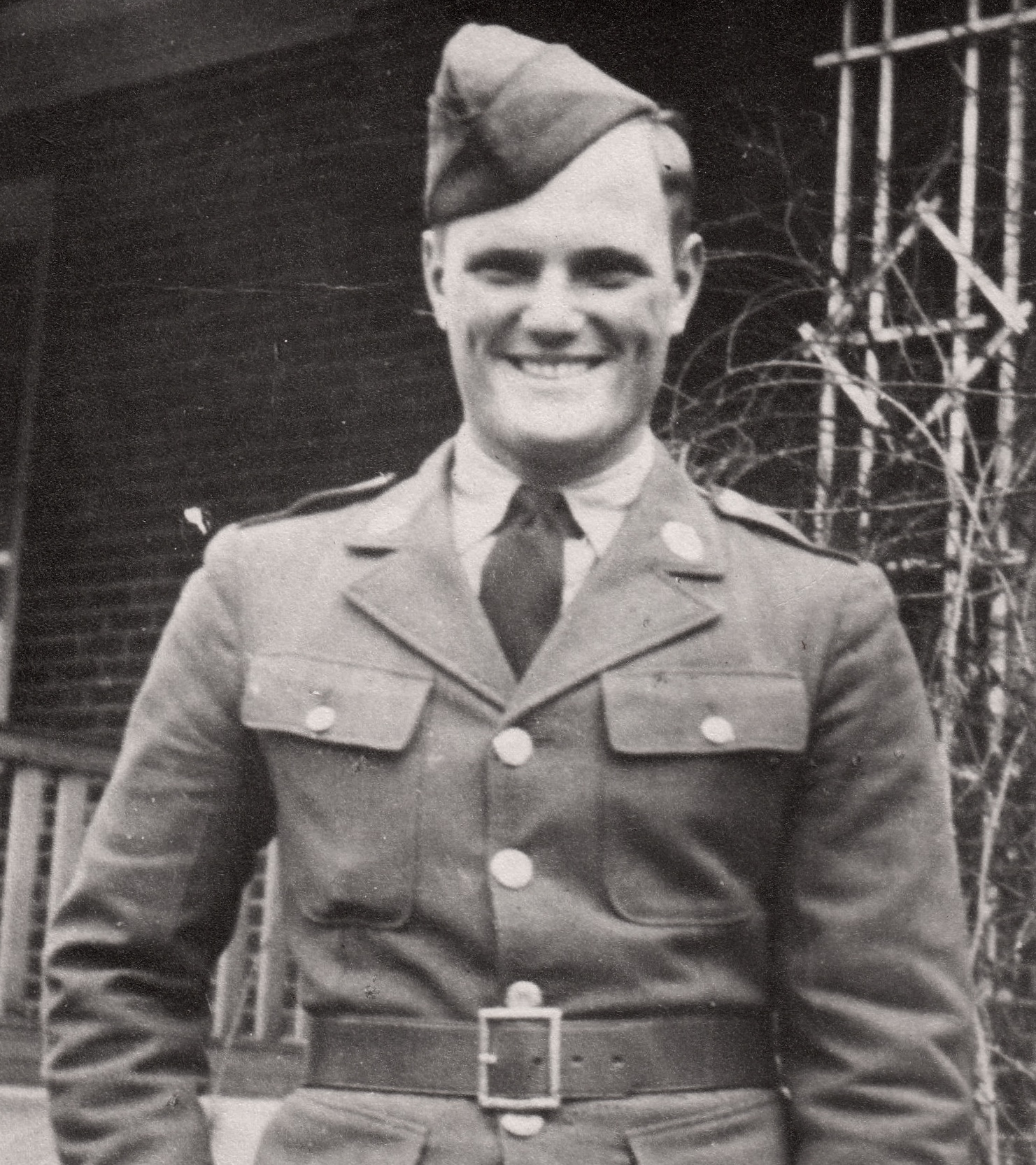
After Mom began working in downtown Dayton, Dad was often pressed into service as a caregiver and cook for his children. He sometimes prepared his “specialty” combining spaghetti with canned baked beans. When his children asked, “Why?” he replied that he had learned the recipe as a cook in the army. On occasion, he also served Spam.
In 1954, Ruth and Bill and their family sold the house they had built and moved to Colwick Drive in the Belmont area of Dayton. Their kids grew up and attended neighborhood public schools. There were frequent extended family gatherings, occasional weekend and a few cross-country sightseeing trips.
Bill joined a bowling league.
Games
I was about seven years old. Dad and I were at our home on Colwick Drive. We were sitting on the carpeted living room floor, leaning over a Monopoly game board. Dad was rattling dice in a closed fist, “I’ll trade you two light blue properties for Boardwalk.” Well, it was two properties for one, surely that was a good and fair deal?
A year later: Dad and I are in the same place. Once again a pair of dice were rattling in Dad’s hand, only this time he was teaching me how to shoot craps, “Never play the field.”
A few days later, I encountered my mom and she was angry. I had imparted my newfound skills to my neighborhood friends. Their moms visited our house and questioned my mom about the appropriateness of my teaching their young children this skill set.
In the early 1960s, Ruth got a factory, assembly-line job at Inland Manufacturing.
It was 1964. The family had two working parents, both with good paying, union jobs. They had recently replaced their small two-bedroom cottage with a two-story, three-bedroom house. A new car would be in the driveway within a year. But bigger and better stuff didn’t bring happiness.
Used cars
In the 1950s and 1960s, cars were a significant status symbol in the Midwest where thousands of workers were employed in numerous General Motors factories.  One of our neighbors bought a new car each year, thus announcing themselves as VERY rich.
My dad liked to own and drive luxury cars. However, the family income required that these be a used car. I recall that we owned a top-of-the-line, with a lot of miles, Pontiac then an Oldsmobile both large cars with lots of gadgets. One of the cars had power windows – a great luxury! In our case, however, they were more like power-assist windows. If you wanted to lower the window, you had to press the power window button and use your other hand to assist the window down.
In 1964, Dad was struggling with a gambling and a drinking problem. His relationship with Mom was strained. His relationship with me and my sister was strained. There were arguments and confrontations. Dad worked hard at parenting, but raising teens is a difficult challenge under the best of times, and 1964 was not the best of times.
The Beatles debuted on The Ed Sullivan Show on a Sunday evening, February 9, 1964. While millions across America gathered in front of their TVs in anticipation of the Beatles live performance, our family sat in the living room with a City of Dayton police officer.
Earlier when someone said, “Here comes a cop!” I had hurried towards to the front door and looked out through the glass panels to see a large man in uniform walking up the steps to our front porch. He walked with a stiffness and slight tilt that suggested he either had a bad back or was working on his John Wayne impression.
The police officer was there because a few days earlier, my 17-year old sister and her 18-year old boyfriend left for school and didn’t return home.
On Friday morning, my sister left our house for high school. She took her usual path, walking through our small back yard and down a few steps to a gravel topped alley. She turned right and reached an intersection, encountering her boyfriend parked in his car. She often found him there waiting for her and together they would drive the short distance to high school. (He found it better to park in a location that was out of sight of my mom, since there existed a less than cordial relationship between the two.)
But today was different: as Carol got into the car, the plot thickened. Her boyfriend proposed that they elope. Carefully considering his proposal for a few seconds, she replied, “Ok, sure.” My sister was never one to shy away from adventure.

The house was empty. Mom and Dad had left for work, and I had left for elementary school. Carol gathered a few personal items, and they were off. The plan – well there really wasn’t much of a plan – was to drive south into Kentucky or maybe Tennessee. It seemed to them that in those states young people, sometimes really young people, got married all the time. After driving for hours, they spent that evening in a motel outside a small town. The next day would be their wedding day.
When they met with a Justice of the Peace, however, they were informed that since Carol was underage, they would need not only parental permission but also blood test results to obtain a marriage license.
Realizing that the permission issue was an insurmountable hurdle, they abandoned their quest. There was no Plan B, so they spent another night in a motel. The next day was Sunday. The boyfriend called the families he and Carol drove back to Dayton.
The boyfriend dropped Carol off at her house and departed, deciding it might be best if he not enter our house and meet my mom at that time.
So there the family sat as the police officer questioned my sister. She was SO cool, calmly giving him short and vague answers. As she later recalled, “I didn’t think it was any of his business.” She was 17, surrounded by very angry parents and staring down THE LAW, and yet she was defiant. I was so impressed.
Some of our relatives arrived a bit later and there were hugs and comments like, “But you know she is home safely and that’s the important thing.” My sister was grounded for a few weeks, and Dad didn’t talk to her for several days.
As for the boyfriend, she married him the following spring.
Carol was married in 1965 and left home. I left home in 1972 to attend graduate school.
Bill and Ruth were empty-nesters. They both continued to work full time. They continued to travel and spend time with family.
I married in 1973, and we lived in Savannah, then Houston, then Chicago. Shortly after my wife and I arrived in each new location, Mom and Dad visited.
They were a typical old married couple. There was bickering, but my angst about their relationship was gone. Their arguments now seemed harmless and, at times, humorous.
Dad and I were friends again. I came to understand that my parents really loved and deeply cared for each other. They always had. Like everyone, they had made mistakes but found a way to move past them and to continue life’s journey together.
There is a wedding day photo of mom and dad. They are so young and happy. My wife once commented on the photo, saying, “Look at how your dad is looking at your mom. He looks so smitten by her and the promise of their future together.”
While not always showing it, I believe Dad always maintained that feeling for Mom.

In 1974, Carol’s husband died in a boating accident. Dad and Mom drove to Florida, then drove her and her two young children to Dayton where Dad became very active in raising his grandchildren.
In 1978, my wife and I moved to Dayton, Ohio. My wife and I visited my dad and mom at least once each week. Dad took early retirement in the late 1970s based on a medical disability.
In the summertime, he played golf once or twice a week. He liked to play on the cheap, choosing public courses that offered discount rates. Not wanting to pay for the cost renting a golf cart, he used a pull cart. He golfed with other REA retirees, and occasionally I would join them for a round. Many of those men were also WWII, 37th Division war buddies.
After a round of golf, we usually stopped at some neighbor bar for a beer. On occasion, those vets would start to talk about the war. When they realized I was present, though, they would look knowingly at each other, laugh and then change the subject.
It was around this time that Dad was diagnosed with congenital heart failure.
In 1980, my wife and I moved to Pittsburgh, Pennsylvania.
Deja-vu
When I was a child and our family visited Dad’s hometown area near Pittsburgh, I was allowed to play outside even though my mom complained that my clothes and shoes would become stained with coal dust. Mostly, there wasn’t much to do and I was bored. On one occasion, however, probably in the late 1950’s, we went to a museum in Pittsburgh.
I recall Dad behind the wheel of our car and Mom in the front passenger seat. We followed a car driven by my dad’s uncle Mike, traveling on a curvy, multi-lane road near a major river (probably the Monongahela). Suddenly, Uncle Mike made a quick lane change and darted toward an exit. Dad reacted by accelerating and swerving our car into the adjoining lane, narrowly missing a nearby car. He braked and swerved again onto the exit to follow uncle Mike. Taking the risk of ending our lives in a fiery crash was obviously worth it compared to getting lost in the maze of narrow, twisting Pittsburgh streets. The adrenalin rush of those few seconds faded just as did the memories of the rest of that trip.
Then in 1980, after my wife and I had been married seven years, we moved to Pittsburgh, locating only a few miles from where my dad was born. Pittsburgh was the fifth major city we had called home and because we always explored the museums of each “new” city, we found ourselves at the Carnegie Museum of Natural History.
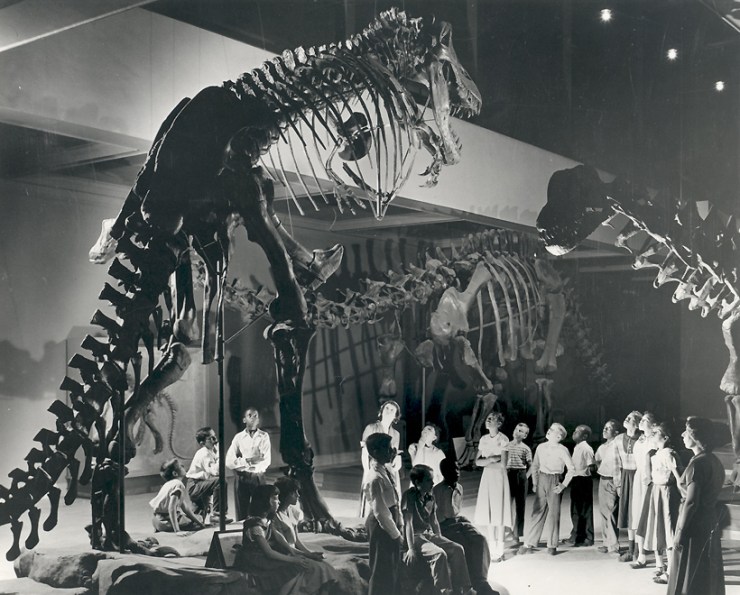
We walked slowly past exhibits, my wife annoyed by my careful and time-consuming reading of every exhibit plaque. Passing through a portal and into a large cavernous room, I stopped, staring in awe at an actual size replica of a Tyrannosaurus Rex skeleton. I was hit with a strong sense of déjà vu and searched my memory for an explanation.
In the late 1950s a small, blond, nearly nine-year-old Steve Nance stood in the same spot, awed and amazed at the sight of a life-sized dinosaur.
In the 1980s Dad began a used golf club business. Mom and Dad frequented garage and rummage sales. Dad bought used golf clubs and golf bags. He resold them, advertising in the local paper. Annual sales amounted to several thousand dollars. Who knew that my dad would become a successful businessman?
My wife and I had two children, first a girl, then a boy. Dad and Mom visited often.
Dad and I still played golf but less often due to his declining health. Where we once played 18 holes per round, we were now playing nine holes per round. At first we walked those nine holes, but within a year or so we were riding in a golf cart.
In 1985, I joined a local country club. I joined primarily so that I and my dad could experience a round of golf on a challenging course, followed by a few drinks in the “fancy” club bar and then a “high brow” club dinner. We made it to dinner at the club, but he was either unimpressed by the country club trappings or perhaps father-son competition kept him from saying so. We never played golf at the club.

William Russel Nance died in August of 1989.
It was Sunday morning and my family and I had just returned home from church. The phone rang. It was my mother calling. She said something like, “We lost your dad.” Her voice was choked with emotion. After a brief pause, her voice now strong and clear, she told me that Dad had gone into cardiac arrest. Dad had a serious heart condition. She had called the paramedics.
There had been similar emergency visits from the paramedics in the previous months with Dad being rushed to the ER. On several of those occasions, my family and I rushed to Dayton to visit Dad in the hospital, expecting him to live for only a day or so. On those occasions, he had recovered.
My wife and I packed some clothes and loaded our eight-year-old daughter and three-year-old son into the car and headed west. We encountered road construction on the way, lengthening our drive to more than five hours. As we sat in traffic, many of the stories told in this site drifted in and out of my consciousness.
I don’t recall much about those next few days. The service was held at funeral home in Belmont, the neighborhood where I grew up. The drive to the gravesite lasted nearly an hour. Only a few cars were in the procession.
Along a rural highway, we passed a man, old and bent with age, walking beside the road. He saw the hearse approach and realizing it carried a veteran, he was transformed. He stood erect and snapped off a crisp salute, holding that position as the motorcade faded from his view. WWII had ended more than 40 years earlier, and yet the shared experience of that war had created an unbreakable bond between that band of brothers.
Dad was laid to rest near his mother and father.
I believe that we see our parents as icons. As parents, we fortify that view by performing for our children. Perhaps I expected my dad to be like one of those 1950s TV sitcom dads: TV fathers who were always wise, successful, funny and perfect like Mr. Douglas of My Three Sons or Mr. Nelson in The Adventures of Ozzie and Harriet. My dad was like them in some ways, but he was so much more. He was kind, a gambler, patient, a heavy drinker, funny, irresponsible, generous, thoughtless, patient and so on. He was a good person and flawed: the perfect dad.


I am now only a few years younger than when my dad died. I sense time racing by quickly as I stare into the past searching for memories and my dad. I need to find him so that I can tell him,
“Thanks, Dad, for all you did in the war, and for all you taught me, and for your love, and for being a good friend and father. I love you, and I miss you so much. Maybe some bright sunny summer day we’ll get to sit in the bleachers and watch a baseball game and talk. I promise that this time I will realize life as I live it, every, every minute.”
 ww2letterproject
In the summer, I would get a phone, “Are the beans ready?” Or, “Do you have extra tomatoes to pick? Your Aunt Ruth wants to do some canning.” And Uncle Bill, sometimes with Grandma Banis , would come out to the house to pick bean and/or tomatoes. We’d pick and talk, always a fun visit. Thank you for bringing him back, if just for a spell.
LikeLike
Great job, enjoyed the walk down memory lane I had forgotten some of this and didn’t even know some.
I miss mom and dad and even though we weren’t rich we had very good parents.
Love, Carol
LikeLike
Yes, you are entirely right: he was indeed a special man.
LikeLike
Thanks for following. Thanks for your comments. it took many years to obtain a proper perspective about my dad. when I started this story I had almost no knowledge of his war experiences. I wish I had made the effort when he was alive. there are so many questions I would ask. I look at the comments about dad on this site and realize how everyone recalls him as a person who was kind, thoughtful, had a great smile and carried an aura of fun. They are correct. It took me a few years and the experience of being a father but I finally realize how special he is.
LikeLike
Steve,
Thank you for this glimpse into this time of your, Carol, & your parents life. These are the things I remember. Very emotional & wonderful expressed. Best wishes to you & your family.
LikeLike
WOW loved reading all the life of the family. I’m sure your dad was very proud of you and like mine probably did not express it so many words but you can always look back and see it
LikeLike