1937
- Amelia Earhart vanishes over the Pacific Ocean.
- The Golden Gate Bridge opens in San Francisco, CA.
- The Hindenburg airship ignites, killing 35 of the 97 people on board.
- Japan invades China, starting the second Sino-Japanese War.
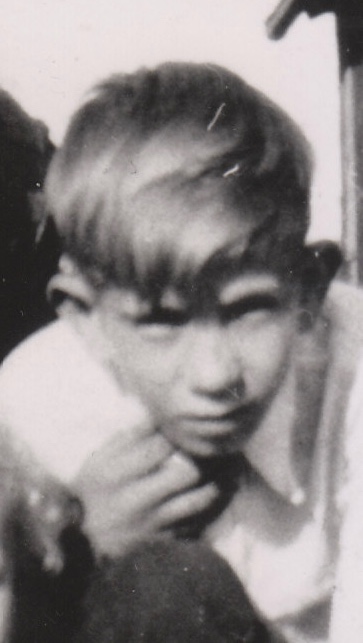
Before moving to Pennsylvania, Anna gave birth to Victor in the spring of 1937. The family now numbered 12.
Abe’s father left Alexandria and traveled to Eaton, Ohio. After arriving in Eaton, he asked his sister-in-law and her son to drive to Alexandria to bring Abe and the rest of the family to Eaton.
“The trip back to Eaton was interesting because Aunt Clara and Charles came for us in a Model T Ford. Daddy was already back in Ohio. Eve stayed…to complete her last year of high school.”
─Abe
Abe’s younger sister, Fanny recalled that Abe and his older brother Bill hitchhiked the 350 miles to Eaton, dressed in their boy scout uniforms so as to improve their chances at “thumbing a ride.”
With Abe and Bill on foot and Eva staying in Pennsylvania, the car carried ten people, the family possessions and their dog, Pee-Wee.
Fanny, then six years old, remembered that Charles drove to Eaton, stopping several times briefly to rest before continuing. For the dog he fashioned a basket and attached it to the side of the car. Soon after the start of the trip one of the family noticed that the dog appeared to be getting sick. Realizing that he had placed the basket too near the car exhaust pipe, Charles remounted the basket away from the exhaust and the trip continued.
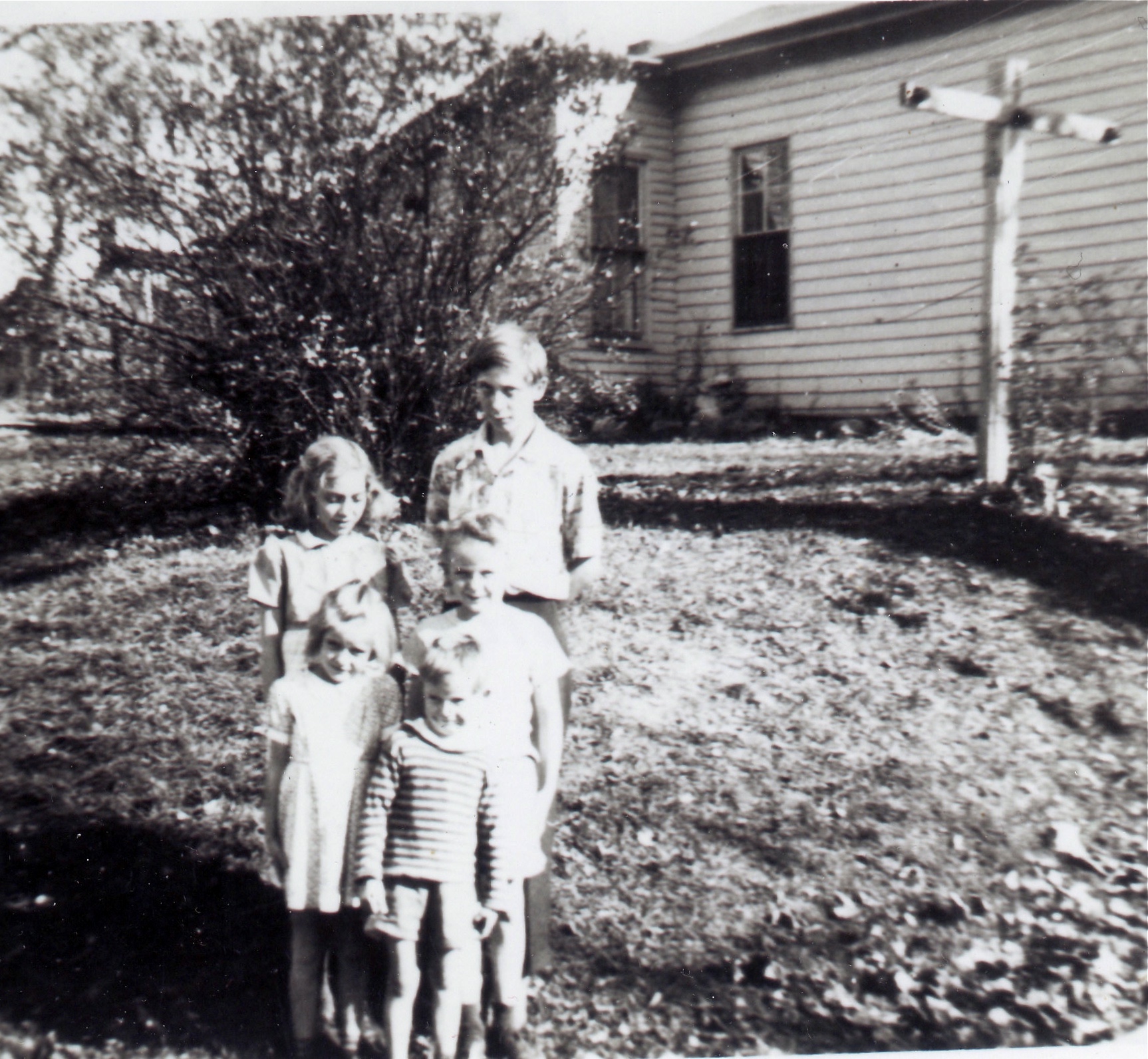
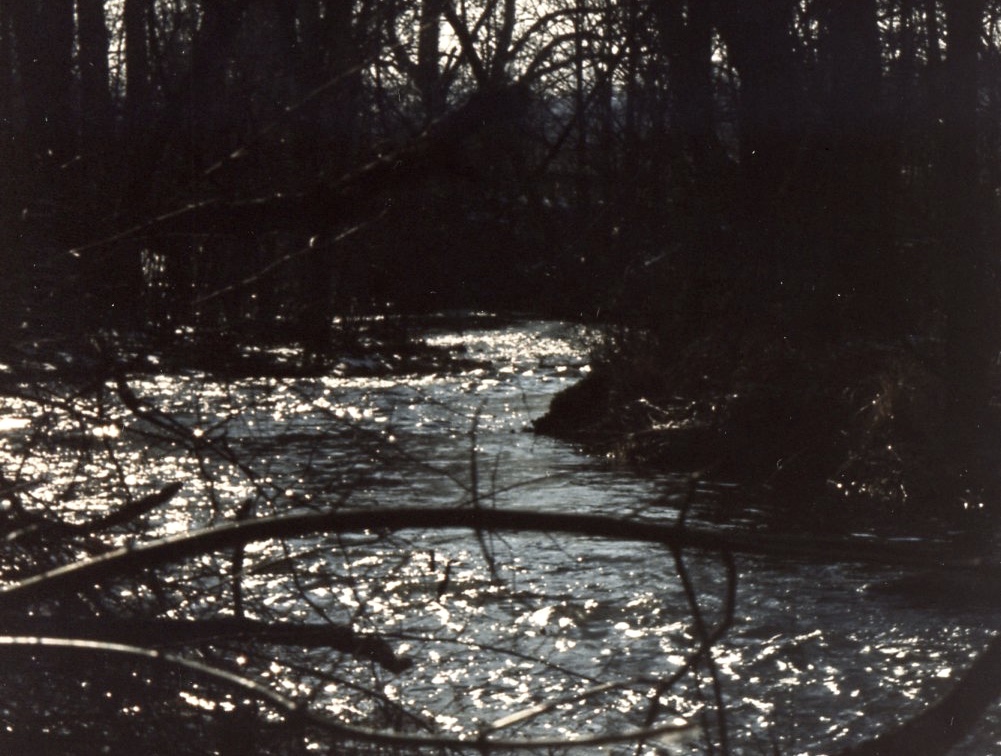
For the first few months after returning to Eaton, the family lived with Anna’s sister, Clara. Eventually they moved nearby to a rental house on North Walnut Street. Abe and his brothers and sisters referred to it as the “house by the creek.” It was next door to the recently constructed the Eaton Recreational (Rec) center and a few hundred yards from the banks of Seven Mile Creek.
Abe turned 15 in the fall of 1937.

For Abe’s younger brothers and sisters, the nearby creek would become a wonderful playground but it is unlikely Abe spent much time playing there. The family lived in poverty, and whatever he could earn was important towards keeping the family fed.
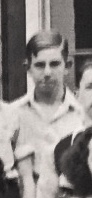 “Dad found whatever kind of work he could as the depression made it very hard to find work. One time he found 200 acres of corn to shuck by hand. [I] was going to school two days a week and working in the corn field the other five. [I] worked in the evenings after school in the grocery store sacking potatoes and cutting bananas from the stalk.”
─ Abe
Abe and his family settled into the house by the creek. Abe’s father and older brother Bill (a school drop-out) found occasional part-time employment. Abe’s younger siblings, May, Ruth, Fanny and Dick attended school while the younger Sam, Annie and Victor were at home with their mother.
Unlike the shanty in Pennsylvania, this house had electricity. Abe’s sister May was often busy with house work and caring for the preschool children. In Pennsylvania the family washed clothes by hand using a washing board, but in Eaton there was a washing machine. This prized modern convenience was located in a utility room at the rear of the house. Abe’s sister, Ruth remembered that one wash day the family was startled by loud screeches coming from the back of the house. Rushing towards the source of these piercing screams, they found May entangled in the washing machine: her long hair had been caught in the wringer and was being pulled through the rollers. The family managed to rescue May and save most of her hair.

Having Seven Mile Creek in your backyard provided entertainment even in winter. When ice formed on the creek, Fanny and her brother Dick went skating or, more accurately they went sliding, since they didn’t have skates and used their everyday shoes. On one such occasion they were preparing to depart for the “rink” when their pre-school brother, Sam asked to go along. Fanny and Dick refused, but Sam pleaded (or whined as Fanny recalled) with Dad to go. Dad decided in Sam’s favor, and Dad’s decisions were final and non-negotiable. Sam would go, and Fanny and Dick were responsible for him. Sam must pay attention to his brother and sister AND watch out for thin ice. Realizing protest was pointless, Fanny and Dick with their little brother in tow, walked the short distance to their skating rink.
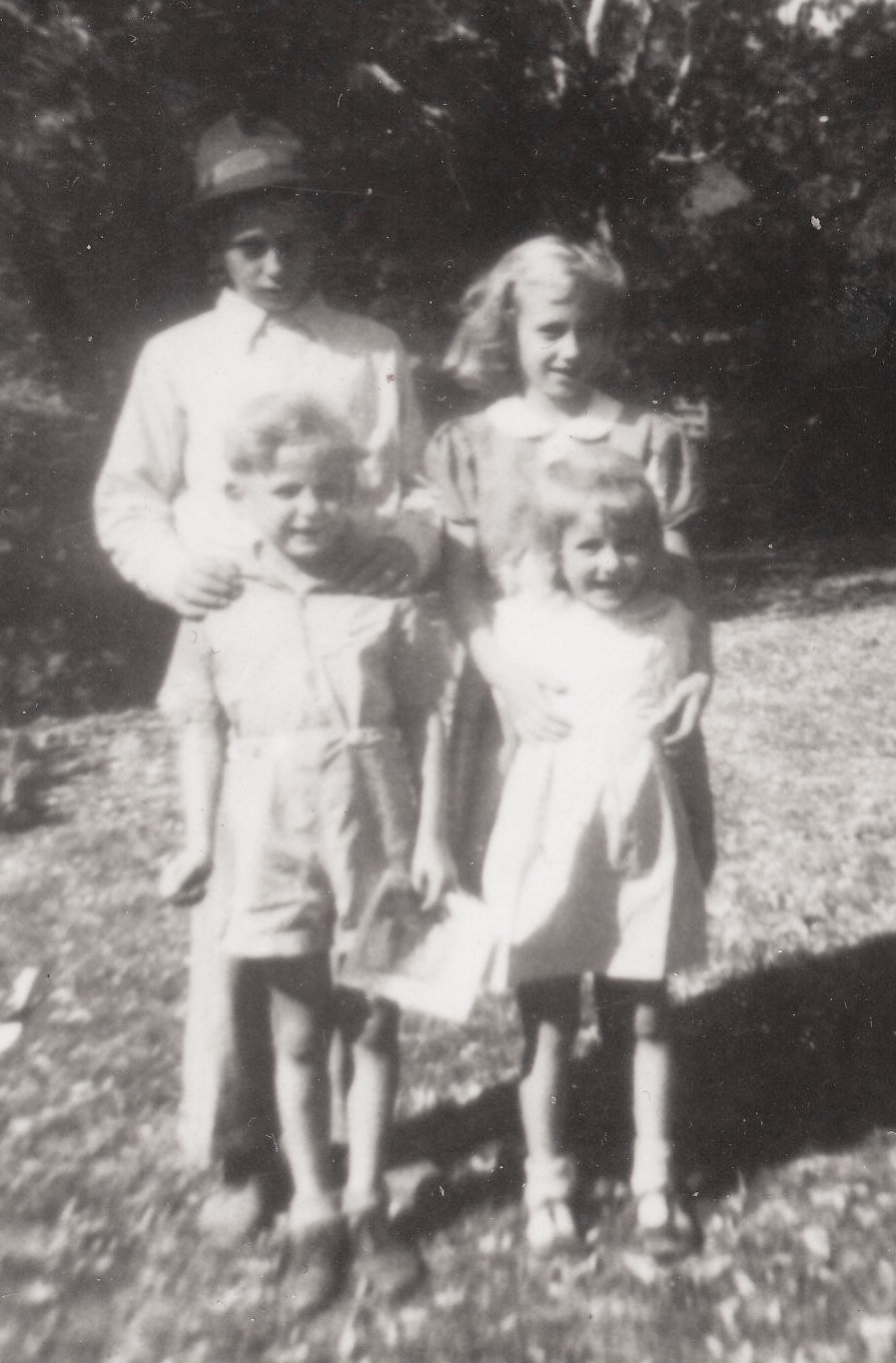
Fanny remembered that they found a patch of thick ice and as she and Dick began “skating,” they waved Sam away, telling him to go play but to be careful. They had barely begun when they heard a yelp. Sam had wandered onto thin ice and fallen into icy water that was up to his shoulders. After great effort, Dick and Fanny were able to pull a plump and water logged Sam to shore. Now they had to go home. Not only was their skating session ruined, but they had to face their father, a man with a notorious and sometimes violent temper. Spanking or worse wasn’t out of the question. Fanny and Dick debated what to do and determined that, if they returned home and entered through the back door, then perhaps they could at least temporarily avoid an angry and punitive father. Dick and Fanny and a dripping and shivering Sam stealthily approached the back door. Holding their breath as they opened the door into the kitchen, sitting at the kitchen table was Dad. He looked up. Fanny and Dick waited for the explosion. Dad calmly looked at Sam and shrugged “I told you to watch out for the thin ice.” The storm had passed. Decades later when she would tell this story, Fanny still showed signs of relief that the story ended without incurring the wrath of Daddy.
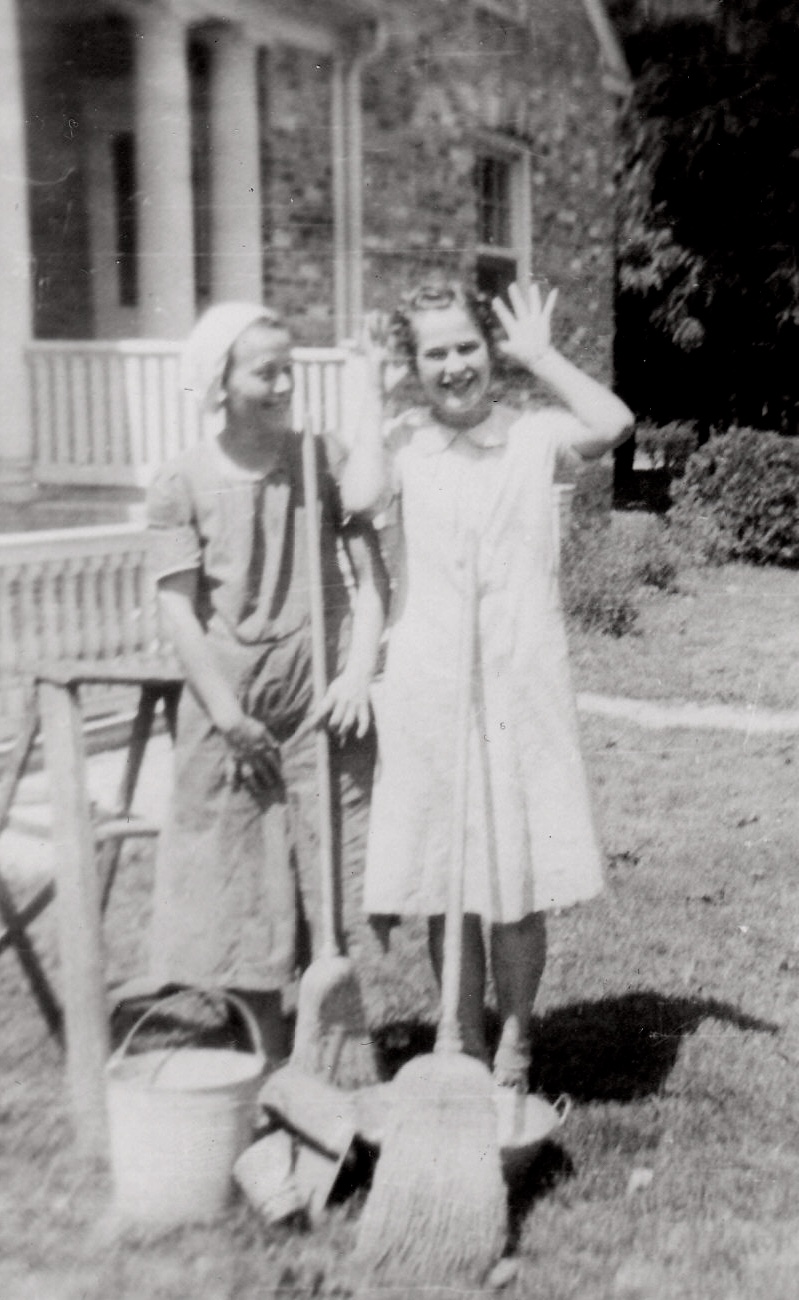
In springtime, Abe’s sister, Ruth and mom, Anna cleaned houses. As Ruth recalled, each job, “took a couple of days. We would mop the floors and clean the steps using Ivory soap.” One of the annual jobs was cleaning the home of the Eby sisters where Ruth recalled, “Sometimes they served us lunch. I remember eating cooked apples.” For their efforts Anna and Ruth earned ten cents an hour. In addition to cleaning houses, they also had the job of cleaning the Eaton Rec Center.
Occasionally on Sunday evenings, Abe’s mother and some of the family crossed the yard to the Rec Center to listen on CBS Radio to country star Gene Autry and his hit weekly radio program, Gene Autry’s “Melody Ranch”.
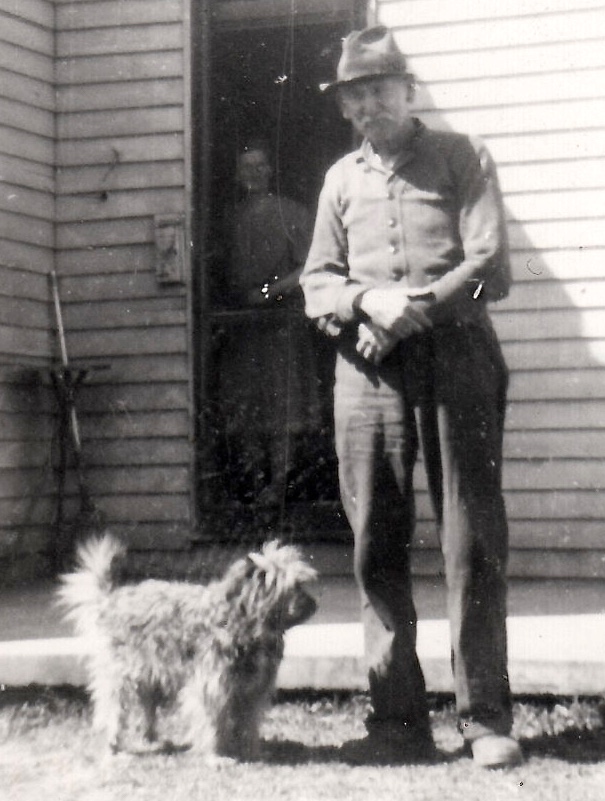
Most of Abe’s mother’s family lived nearby and there were frequent family gatherings. Abe’s grandfather, Val Wing, now in his 70s, resided with Anna’s older sister Clara, who lived a few blocks away. Abe’s younger sister Ruth recalled, “When Grandpa Wing lived with Aunt Clara and got his monthly social security check, he would buy a bag of candy and invite all of us kids over to share.”
1938
- Hitler annexes Austria.
- Kristallnacht “The Night of Broken Glass” takes place across Germany, Austria and Poland.
- “Snow White and the Seven Dwarfs” is the first full-length animated cartoon.
- Superman first appears in comic books.
In the spring of 1938, Abe’s older sister, Eva became the first member of the family to graduate from high school. After graduation she left Pennsylvania and returned to western Ohio, settling in Dayton, about 25 miles east of Eaton, where she found employment. That same summer Abe’s older brother, Bill applied for enrollment in the Civil Conservation Corps (CCC).
1939
- Germany invades Poland.
- Great Britain and France declare war on Germany, starting World War II.
- Einstein writes a letter to FDR about the atomic bomb, which leads to the start of the Manhattan Project.
- The movie “Wizard of Oz” premieres.
Abe’s older brother, Bill was accepted into the CCC and left home in January, 1939, for a CCC camp in Nevada. The pay was $25 per month of which he was required to send $20 to his family.
Abe and his older brother Bill were close. They were only a year apart in age. Together, they had grown up and lived through difficult years for the family. Now with Bill gone, the only practical way for them to communicate was by letter. In March of 1939, Bill wrote the following:


Dear Abe
How are you getting along out there. It is awful warm out here. In fact I have a pretty good suntan. Have you seen any wild flowers out there yet. It is to hot and dry out here for flowers yet. What kind of work are you doing now. I’m helping build a cattle trail now. Are you still going to school and how are your grades. What grade are you in now. Do you still go with the same girl or have you got another one now. I’m sorry I didn’t write to you sooner but I just could(n’t get) down to the job of writing.
I got a letter from Eva Monday. She says it (is) getting pretty warm like spring and the flowers are coming out in bloom. Mom says in a letter she sent that Dad’s going to buy a car so he can get more work. Well it is getting to dark to write so I guess I had better close. Write soon
Good by with Love
Bill
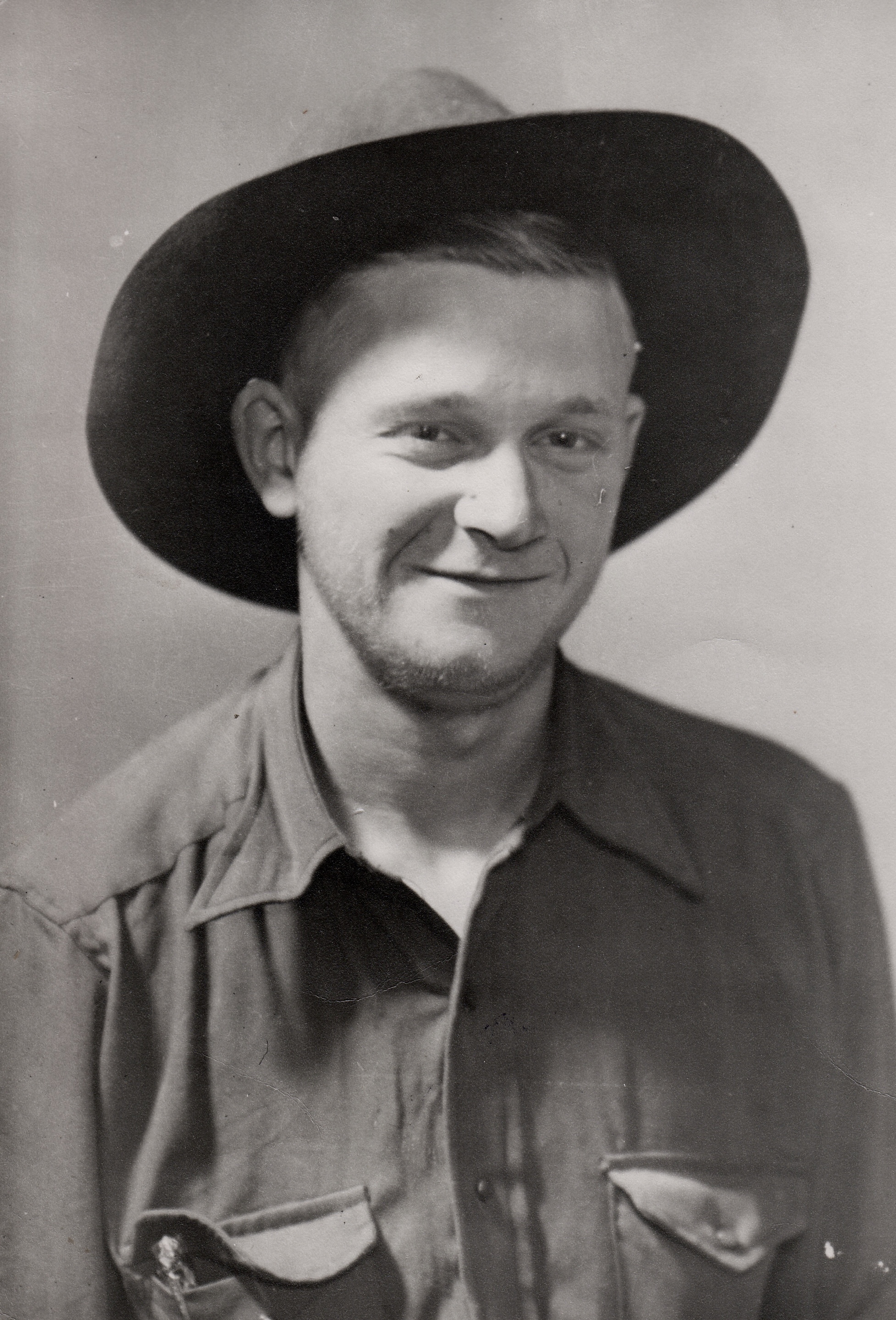
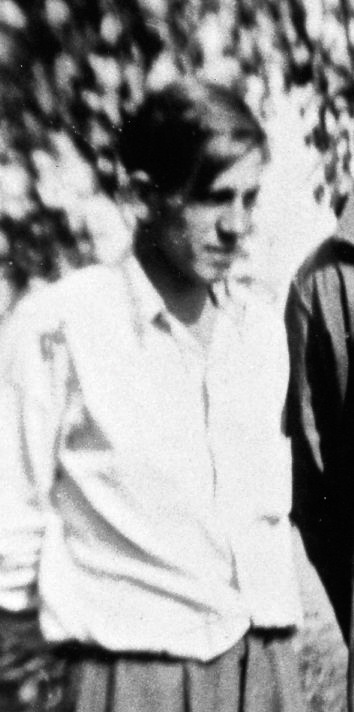
Abe left home in the winter of 1939. He was 17. He left the “house by the creek” and hitchhiked east.
“I…left home and headed for the east coast looking to get on a ship.
It was an adventurous start to the trip.
“On the first night from home, I met another fellow on the road, and he took me to a railroad siding and told me how to fix the boxcar to sleep warm. Not trusting him, after he left, I got out of the box car on the other side and went back to the road and started hitchhiking. I stayed at a garage for the night then caught a ride with three fellows going to Pittsburgh , Pa. They left me out in the middle of Pittsburgh. I caught a bus and rode to the city limits then caught a ride with a trucker.
The truck left Pittsburgh moving east and toward the mountains of central Pennsylvania.
“On the first mountain we started up, smoke started coming out of the engine, he had put a rag in the oil filter cap and that was what was burning.
The trucker pulled his rig onto the shoulder of the road. But once the truck stopped, it…
“…started to roll backwards. We finally had to put a big rock under…[a] wheel.
The truck was repaired and continued east, reaching Alexandria a few hours later. Abe hopped off, deciding to return to his neighborhood of a few years earlier.
“I…stopped…in Alexandria to visit [and] went to work for an old farmer named Frank Hawn.”
─ Abe
In May of 1939, Abe’s older brother Bill contracted rheumatic fever (at that time a leading killer of young adults) and was shipped from his CCC camp in Nevada to Letterman Military Hospital in San Francisco. A month later, Bill was released from the hospital and the CCC. He traveled by train to Eaton, Ohio, where he continued to recover at the “house by the creek.” A few months later Bill re-enlisted in the CCC. Before he left, the 18-year-old Bill dated a local 15-year- old girl, Velma Hall.
Later, Abe will marry Velma Hall.
Next Week: The Army & Velma
 ww2letterproject
I like hearing the stories of Eaton and the relatives I knew of or don’t remember knowing. I remember my great grandma Hall lived in Eaton but we rarely visited her. We visited with Mae until she moved to Trxas and Fannie moved in so we got to visit with her. Grandpa and grandma Banis were there and Ruth would visit once in awhile. I barely remember aunt Clara. Moms aunt Hazel Hall Roe seemed to move back and forth from Indiana to Texas and we would visit with them when they were up north. Grandma Grace Roe Hall Gearharts sister Mary lived in Richmond and we would see them once in a while. Almost forgot Dick lived close and we even went to visit Anna once. The war was hard on Dad and he was a hard man but kind of mellowed out a little when his grandchildren came along. They asked who is Abe they are writing about as everyone called him Al after we moved to Texas.
LikeLike
correction; I know that my aunt is actually named Fanny Banis Kisling. That is an error I attribute, along with a host of others, to aging.
LikeLike
You know, growing up with all these people around, we tend to forget just how hard life was for them back then. They didn’t really dwell on how hard life was for them. And when bad things did happen, like May’s hair getting caught in the wringer, in the re-telling of it I’m sure the story was hilarious. My dad’s childhood stories were much the same. When they were all together telling these stories there was so much laughter tears would be streaming down faces, especially Granny’s. Maybe that’s why they all grew into successful, giving, loving adults. They didn’t let adversity get them down or thwart their desire to go forward. How fortunate we, the following generations, are to have them running the gauntlet for us!
LikeLike
In a recent interview, Fanny Kisling Banis recalled that when they lived at the house-by-the-creek, she would often play in the creek. Sometimes she and her brothers and sisters would cross the creek. On that side there were fields where local horses grazed. One of the owners of the horses was a young girl and on some of the occasions when she was present, she would let the Banis kids ride the horses.
LikeLike
My cousin Emily recently relayed this story about the Eaton Rec Center. The story was told by her mother, Fanny Kisling Banis, Abe’s younger sister. The Rec Center was under construction (probably a WPA government works project) while the family lived next door at the House by the Creek. Fanny recalled that many young men helped in the construction of the center. During hot days they would strip off their shirts and work bare chested. Local, teenage girls would gather to watch them work. Fanny recalled that she thought they seemed so silly. Fanny was probably seven years old at that time.
LikeLike