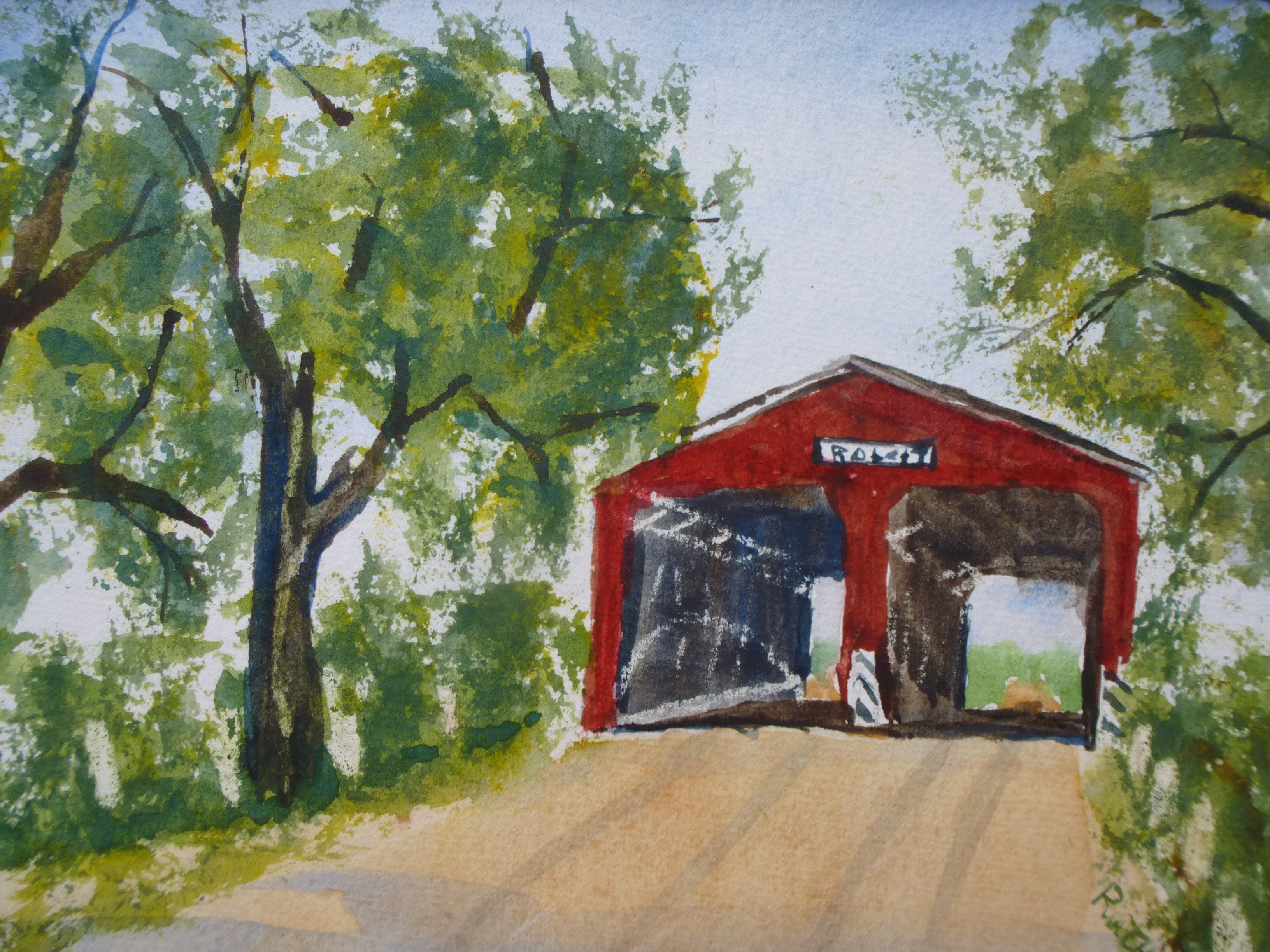
The following is from Victor Banis’s Spine Intact, Slightly Creased.” Victor, born in 1937, was the second youngest of the Banis clan. The following describes Eaton, Ohio and the family’s life in the 1940s. Illustrations by Ruth Banis Nance.
“Eaton is an old town. It was begun in 1792 in an Ohio that was then the Wild West… wide, tree lined streets remain and many Victorian houses and the Greek revival courthouse …occupies much of the central block downtown… Seven Mile Creek still follows its circuitous and beautiful path through the town. Where it widens below the Main Street bridge the creek forms Crystal Lake, which is really not much more than a pond but a very pretty site nonetheless. In winter it freezes over and ice skaters add to its charm.
“There is a covered bridge over the creek too, the Roberts bridge, the second oldest covered bridge in the United States and oldest of the nation’s six remaining double barreled or shotgun bridges, which is to say it has two passages side by side.
“Her critics carp that Ohio is mostly flat, and so she is for the most part. But in the southern reaches of the state, where Eaton is, the unvarying landscape of the north gives way to gently rolling hills, many of them dotted with stands of trees. This is farm country, the fields new plowed in the spring, stubbled in the fall. Barns, some of them crumbling, exhort you to ‘Chew Mail Pouch.’ The cows on the hillside look as if posed for your pictures and if Gary Larson is to be trusted, probably are.
“This is a part of the country with seasons, distinct ones, and to a great extent they set the pace for life there. Literally, too – your brisk winter walk of necessity slows itself down in the dog days of summer. Those who live by the seashore find their lives dominated by the moods of the ocean. In just the same way life in the Midwest is dominated by the ebb and flow of the seasons – the rain and the snow, the heat and cold, the differences in air and landscape and flora and fauna, the planting and harvesting. When I look back upon growing up there I find that my memories, too, are seasonal.
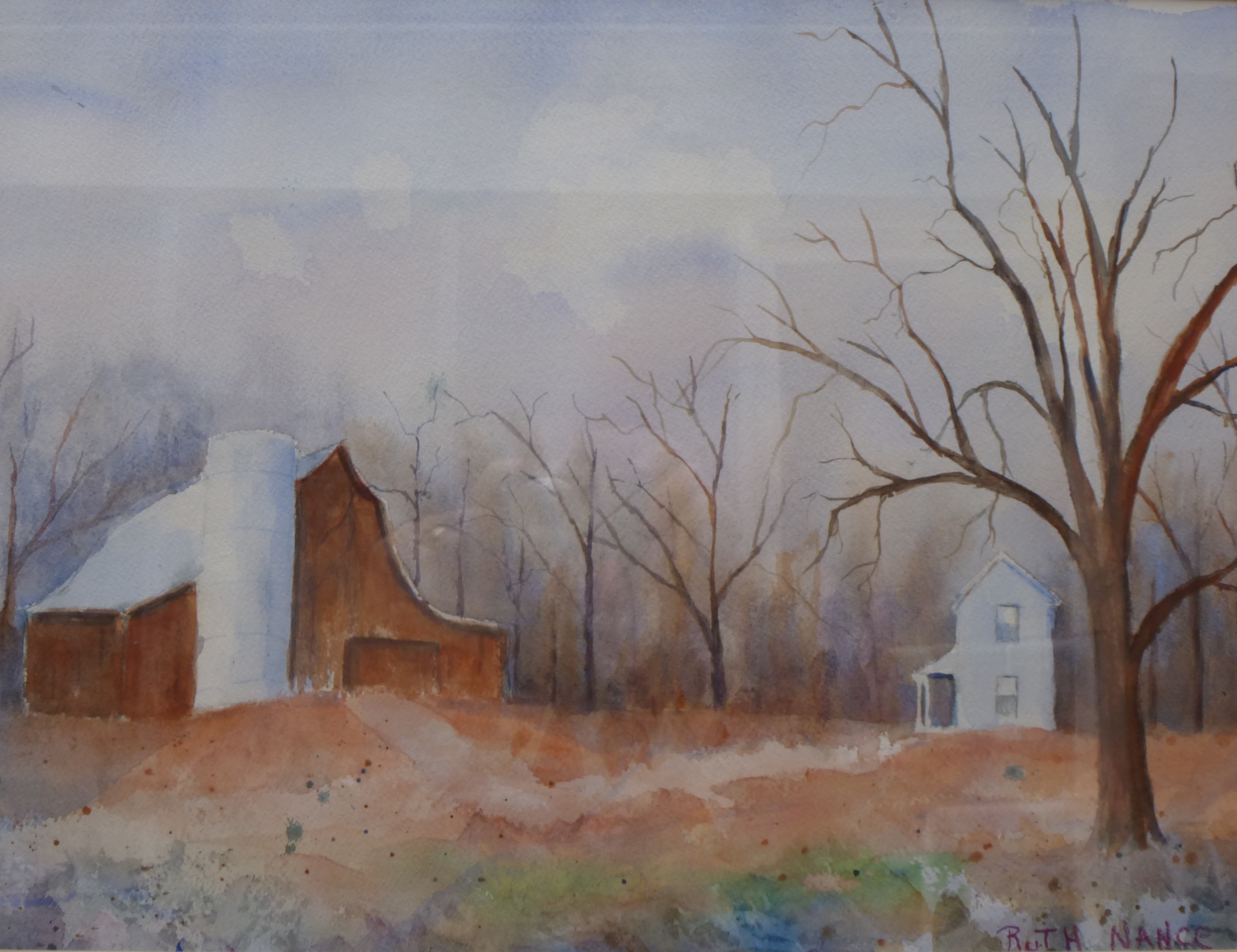
“I remember the tag end of Winter when everything is muddy and cold and dreary and it feels as if Spring will never come. When finally she does arrive it always seems as if she comes overnight, a surprise visit. All at once the lawns are green, a green to shame the Emerald Mountain, and the trees – the cherry and pear and apple and plum trees that surely only the day before were naked – are now thick with white and pink blossom. The air is heady with their perfume, the bees buzz drunkenly on their nectar.
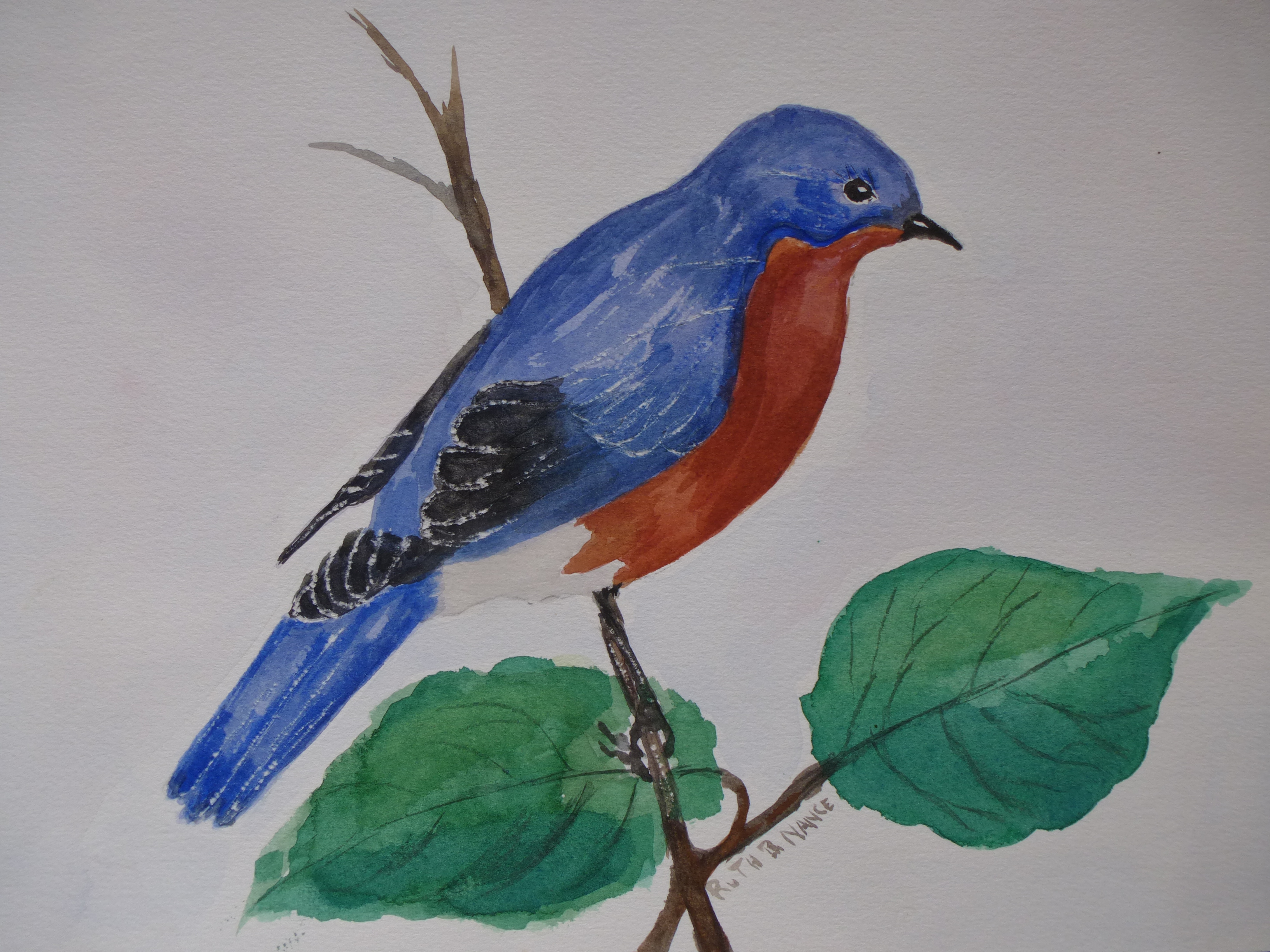
“The creeks and rills are in full roar, small trees and bushes uprooted in their rush and swept into piles against the rocks and the banks. Farmers plow and plant the fields in a frenzy of activity, every minute crucial, the tractors chug-chuffing late into the night. Birds who have spent their winters in the warmer weather southward return to the trees and the meadows, adding their songs to the general bedlam.
“Summer is hot and humid – sticky, we call it. The sun is a ferocious orb in a brilliant blue-white sky. When it rains, though, it pours, like the little girl with the salt, great sheets of water so heavy that you cannot see across the road. Deafening booms of thunder send the dogs hiding. At night the air is heavy and close. I like to sleep on the side porch, on the porch swing, when it rains. The enormous pear tree shields me from all but a faint, cooling mist.
“Between rains the garden must be weeded and watered, the water carried in buckets. It is hard work and sweaty, but worth it in the end. Nothing is more delicious than a tomato picked ripe and sun-warm off the plant and eaten out of hand, dust and all, the juice dribbling shamelessly down your chin.
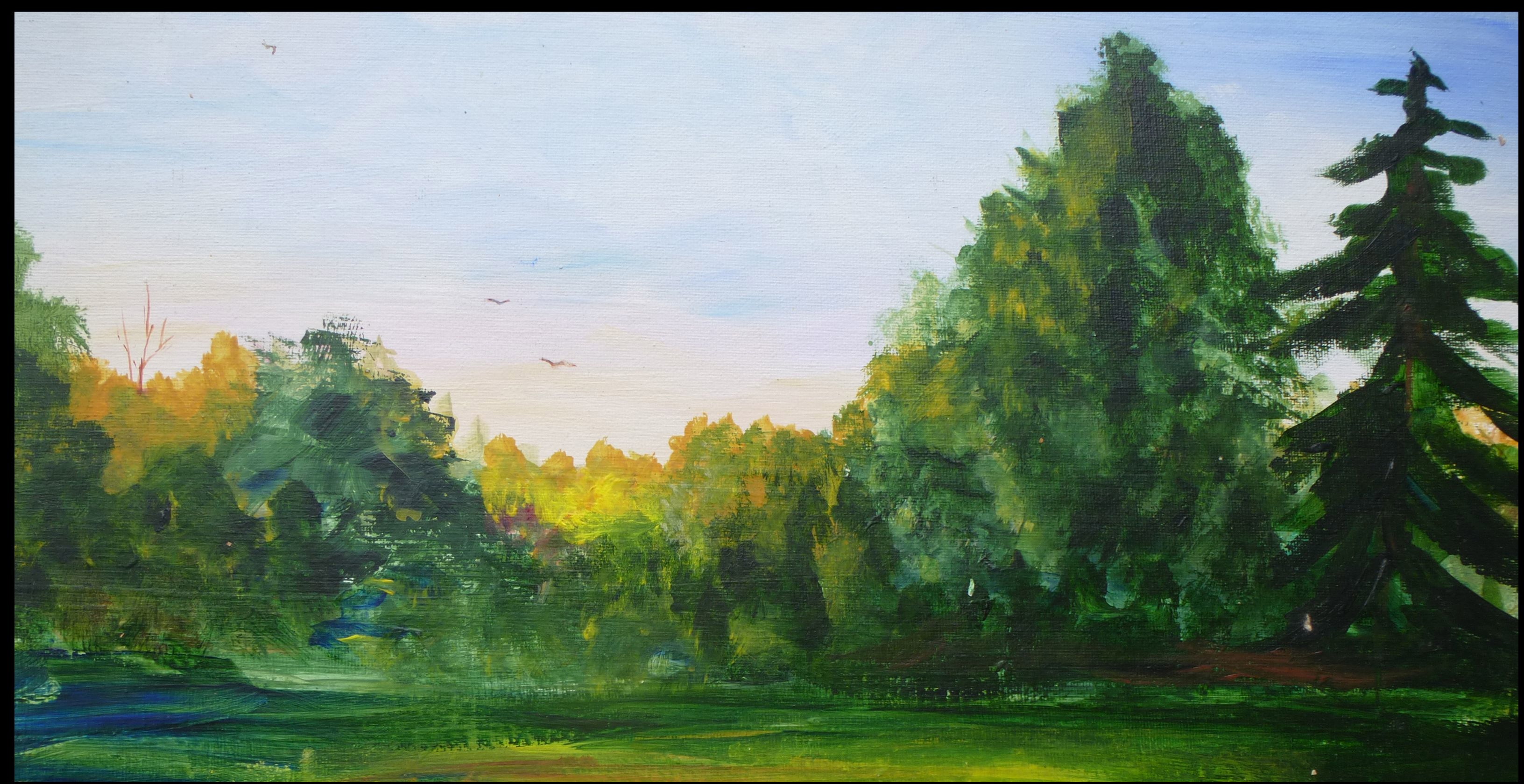
“There are lots of woods here and trees in every yard and lining the streets. Which is to say, Autumn is a riot of color, the leaves a pale butter yellow and bright lemon as well; the orange of pumpkins and of saffron; dusty brown and chocolate; and red – a vast palette of reds, paprika and brick and the red of raw liver. They swish and crunch when you wade through them.
“In the past they used to burn leaves. You could not go for a walk without passing a wispy column of smoke. I can’t think of a more evocative aroma but it is mostly gone now, outlawed because it was not healthy for the air. We breathe so much pollution – car exhausts and diesel fumes, roofing tar and chemicals from our factories and on the odd occasion a dollop of nuclear fallout, that it is a relief to know that we are safe from burning leaves.
“In good years we have a hog. He eats bountifully on slops through the summer and lolls in his mudbath in the heat of the day. Pigs are very smart creatures and perhaps he has a foreboding of what lies ahead. Perhaps while he lolls his dreams are haunted by visions of hams growing ripe and moldy in an old attic or bacon sizzling in a frying pan. Sometimes he makes a break for freedom, finding a way through the fence and dashing down our country road. But where would you go, a pig on the run?
“Our pig’s flight is cancelled, alas, and in the fall he comes face to face with his grisly fate. I avoid the scene of the slaughter but poverty and hunger do not encourage squeamishness. When the gory deed is done, the hams made ready for hanging, the fat being rendered into precious lard, I have no compunctions about filching cracklings when my father isn’t looking. You can buy cracklings now in just about any market, leaving your conscience more or less clear, but they are not the same as fresh. As for your conscience, well, there is only one way to make cracklings.

“Fall is county fair time. Each year we try to find a place to climb the fence. Mostly we are caught and shooed away but some years we make it. We stroll the dusty midways, feast on popcorn and candy apples and cider and get sick on the Octopus and the Ferris wheel and are serenaded by the rinky dink music of the merry-go-round.
“It is in the early fall that you begin to gather walnuts. Not the insipid English variety, those pale and papery shells that surrender their sweets to the slightest touch, but rather the black walnut. You must collect them first from under the tree where they fall, when they are not black at all but green, and no matter how careful you are the green hulls stain your fingers brown, a dark stain that will not wash off, scrub though you will, but must be allowed to wear off in time.
“You store the nuts in your cellar where the squirrels, who know as well as you do what a winter’s treat they will make, cannot carry them off. In time the green hulls do indeed turn black and wrinkled and must be removed. The best way is with a hammer but there is nothing for it, your fingers will be stained again.
“This is not the end of it either. Now that the nuts are hulled they must season or dry out. Though you started in early fall it is near Thanksgiving by the time they are ready to crack.
“The shells are like rocks. You need the hammer again and a well practiced touch. You must use just the right force. Too gentle and they mock your timidity and remain stubbornly of a piece. Too hard and shell and nutmeats alike are crushed into a hopeless mess from which you can redeem little. What you want is two or three good pieces from which with a pick (a hairpin will do) you remove the meats. What we do not eat for our efforts go into a bowl to be added to cookies, cakes, candies, Christmas stockings….
“The walnut trees are disappearing. The wood is valuable and a tree takes a decade to grow to maturity. There are poachers who will swoop down upon a field or a wood, or your yard if you are away, and in what seems no more than minutes the tree has become a stump and some slices of expensive wood for someone’s tabletop. The poachers, I suppose, have never tasted the nuts with some port and Stilton or they would know better. Or perhaps not. Dorothy Parker once said (when asked to use the word horticulture in a sentence): ‘You can lead a whore to culture but you can’t make him think.’ Well, all right, Ms. Parker actually said ‘her’ but I think the shoe fits a male foot just as neatly.
“But I was discussing the seasons. Winter is perhaps the most maligned of them, but it has its own beauty, stark and elegant, the sky like pewter, the harsher lines of reality softened with a mantle of white. Occasionally there will be a freezing rain and by morning the entire world – trees and telephone lines and fences – has been turned to glittering crystal. The ice creaks and cracks. The telephone lines hum with the ghosts of past voices.
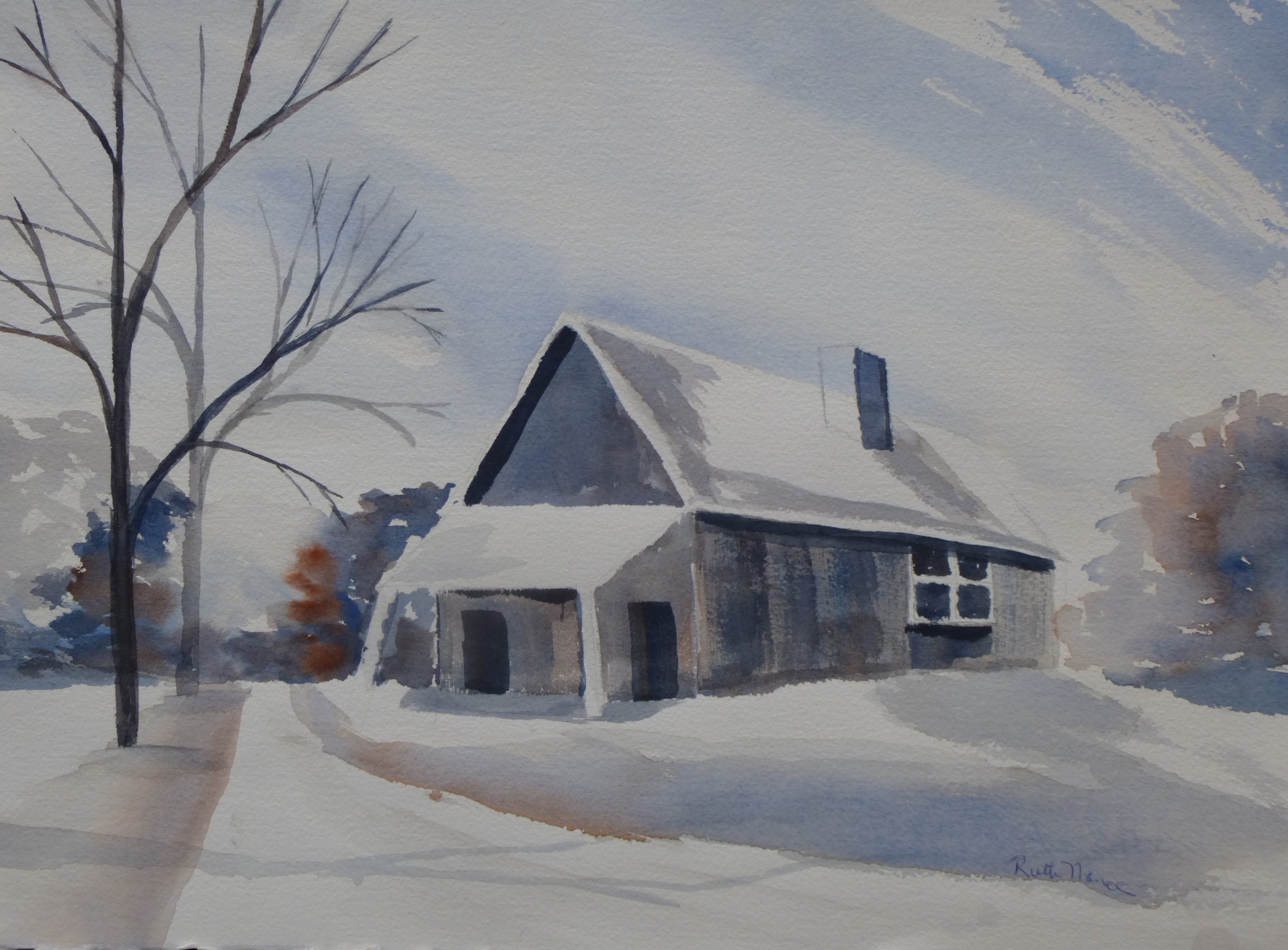
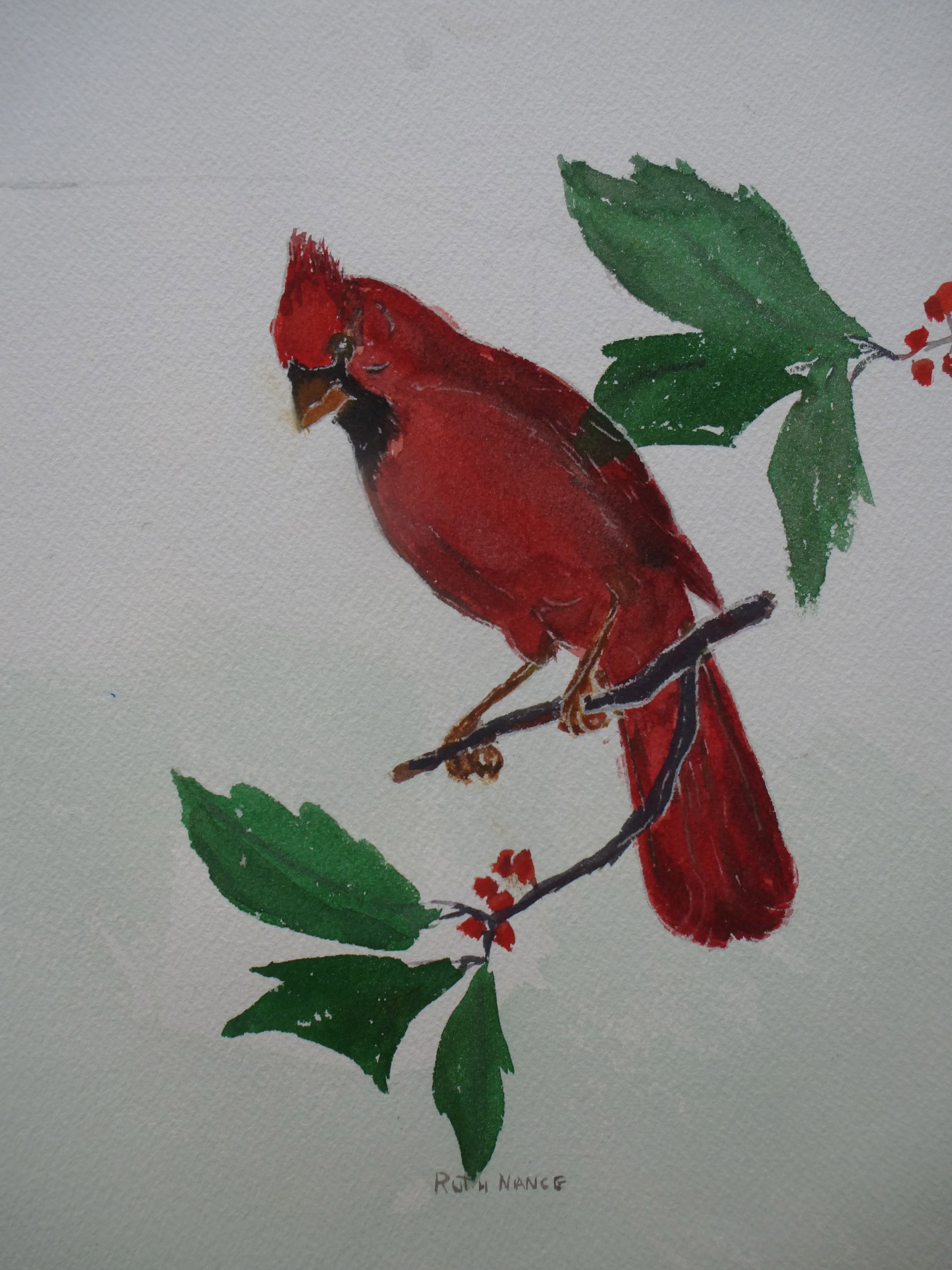
“Much of the color disappears from the winter world but when it snows the whiteness everywhere makes what bits of color remain appear all the brighter and magically intense. Little red berries become precious gems, evergreens look like Christmas trees every one and the Cardinals – the state bird – look like miniature dignitaries of the church in their crimson plumage.
“Of course Winters are cold. Your breath makes little clouds that go before you, like a good man’s reputation and quite as ephemeral. At night we heat bricks and rocks on the stove and wrap them in rags and take them to bed with us in our unheated bedroom, to warm our feet….
“I remember a Christmas eve, walking at twilight with my brother, Sam, in a gentle snowfall while the bells of the local churches played Christmas Carols. It was a magical moment, all the more so shared with someone you love. I am told the churches in Eaton don’t play the carols any more. No doubt someone threatened a lawsuit. There are people who cannot abide any happiness, any beauty. There is a goodness that seems to invite the malice of bitter people.
“My Christmas present is always a book (there are usually socks too, and perhaps other essentials, but not even my mother, with her boundless enthusiasm, could think a child would be thrilled by those, though we made the appropriate noises).
“We got candy, too and some years, the leaner ones, homemade fudge, and who could mind that?
“Most years we got an orange, which does not sound like much today when you can pick up an orange at any time of year in any grocery store in any town, but in the winter in the Midwest in the thirties and forties, even in the fifties, oranges were truly exotic. We felt like kings and queens of the realm while we ate them.”
 ww2letterproject