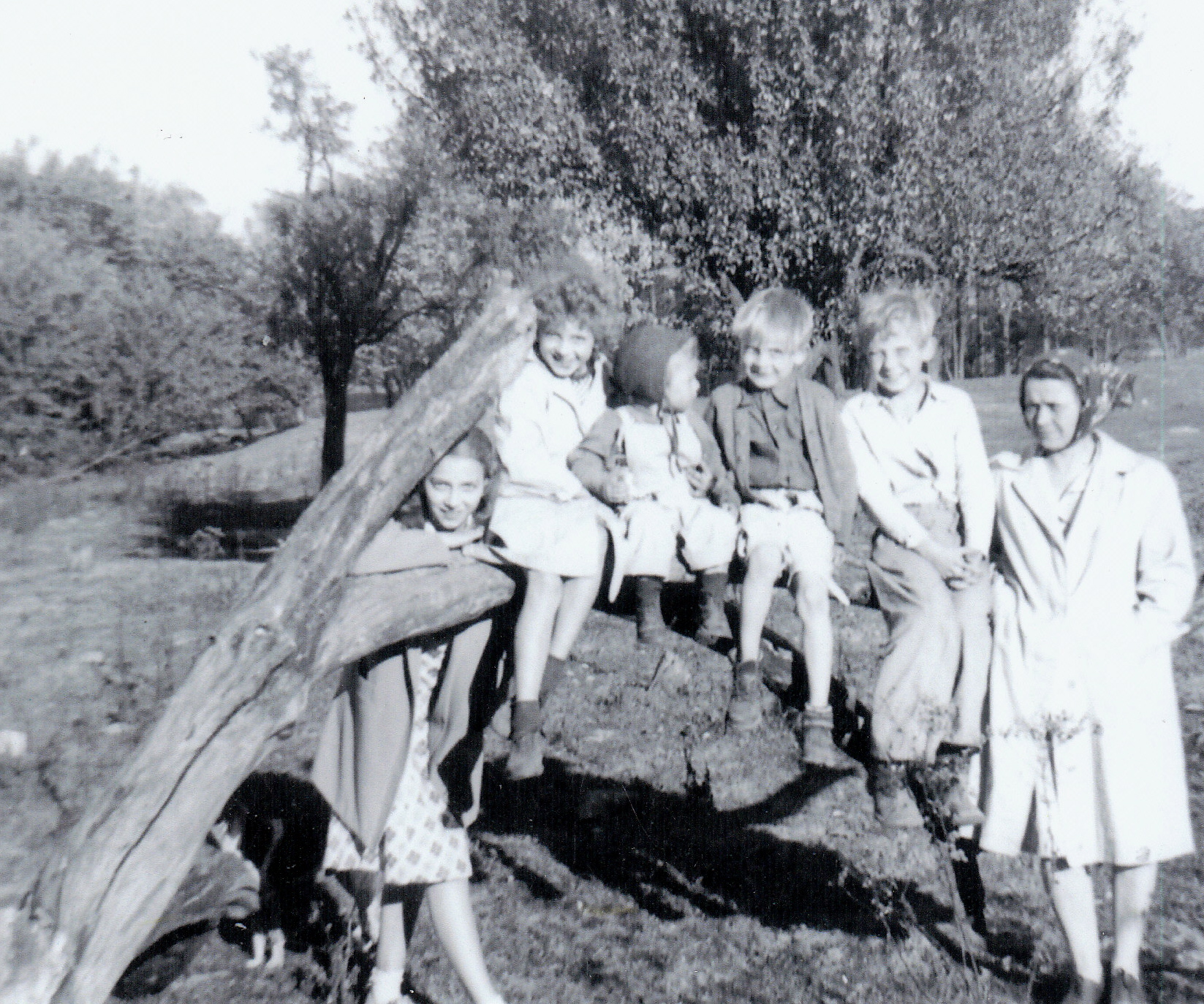
ANNA BANIS
The following are comments from Victor Banis, the tenth of her 11 children [taken from Spine Intact, Some Creases by Victor J. Banis (2004)].
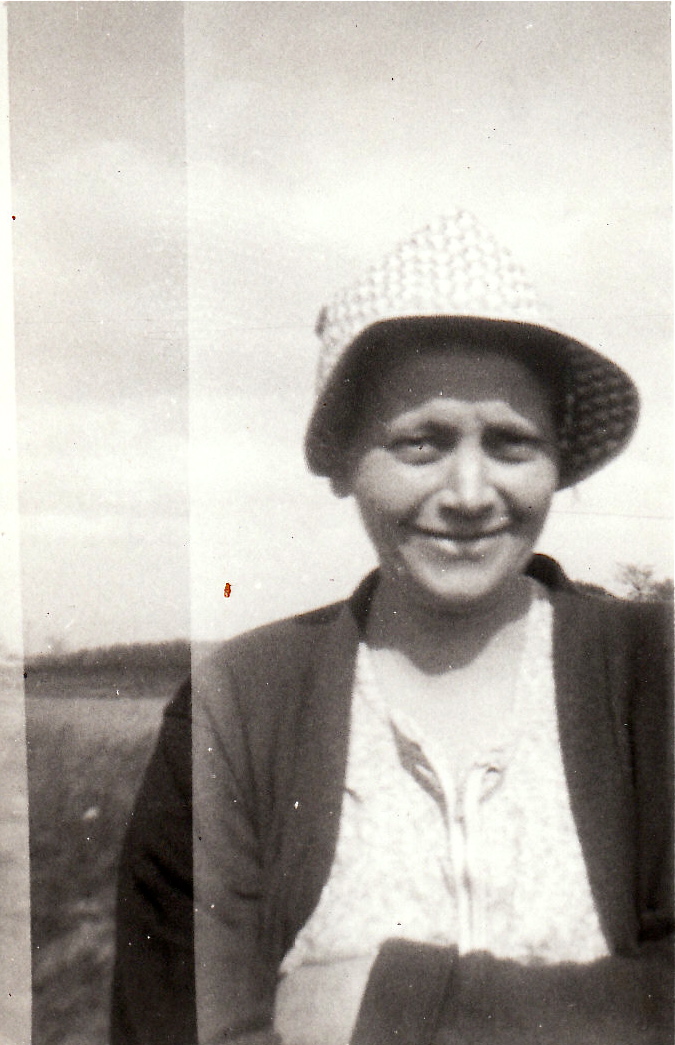
“My mother had been a child bride, from a place – not even a town – called Rush Run. I asked my father … how they had met. He told me he had been walking down a country road and saw her and she was so pretty he just threw over his shoulder and carried her off. He laughed when he told the story, but it might have been true. She was tiny and certainly pretty enough, as everyone agrees who has seen the wedding picture that graces my apartment wall. She had, unfortunately, no more than a sixth grade education, which meant that to support her family she could manage only the most menial of jobs. Understand, there were no welfare programs in those days. There was what they called ‘relief’ – rocking chair money. My mother scorned it.
“She worked. She cleaned house, for ten cents an hour when she was not working out of the house she worked in it. In the Spring and Summer she worked in the garden with the rest of us, and in the Fall she canned and preserved so that we would have food for the winter. Tomatoes, whole and cooked into sauces, and her own ketchup, blood red and gleaming; corn and beans, the white and the red and the green ones; peas, potatoes and soups; pale yellow pears from the big old tree in our yard – Boscs, but we just knew them as pears; cherries we had picked, the tart Queen Annes, which make the Bings taste insipid by comparison; and berries from the woods nearby, blackberries and raspberries, mostly the black ones – no one had much use then for red raspberries; grapes, huge purple Concords, hung from the fence along the back of the property; apples and apple sauce and apple butter the color of sable; pickles – dill and sweet and the bread and butter ones, which make a sandwich all on their own with some bread, though in later years I came to like some cream cheese with them as well; mushrooms, the spring sponge mushrooms and the fall pink ones; and mincemeat for pies at Christmas. Shelves upon shelves of winter provenance. Without it we would have starved….
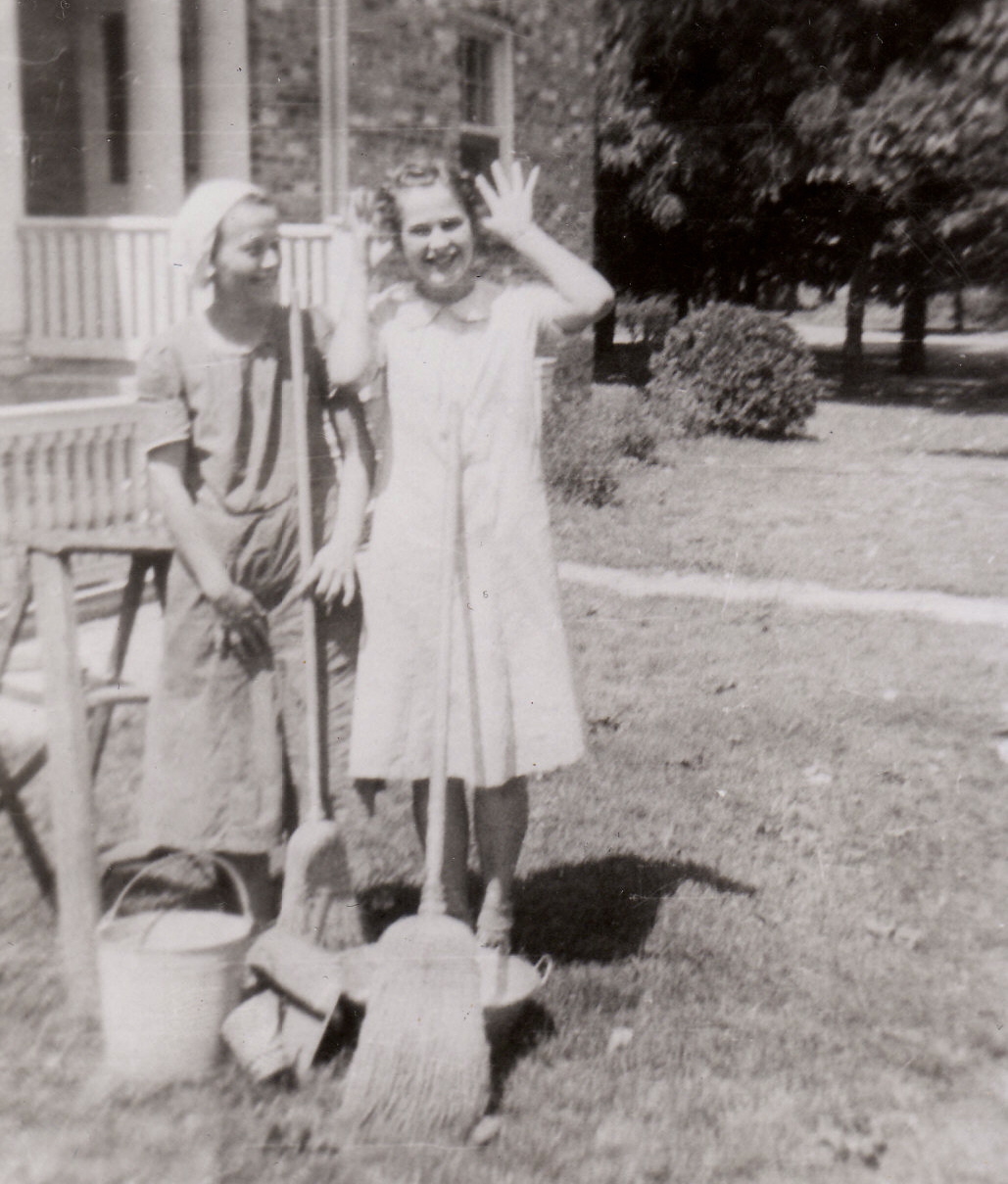
“Laundry, without running water and no electric appliances, was a long, hard day’s work. The washing was done on the back porch, the clothes hung on a line in the back yard. In the dead of an Ohio winter, the clothes froze as fast as they could be hung. Dawdle, and your hands froze too. When you took them down the clothes were stiff, the shirts and pants like petrified body parts. They crackled when you tried to fold them.
“She sewed clothes for us to wear, and cooked, quite marvelously, in a country mode. There was no hollandaise nor elaborate confections but our jams and jellies were home made, our eggs from her chickens. When the hens got too old to lay eggs they did a second tour of duty in rich stews and potpies, and for special occasions one or two of the younger girls got fried, and never did noble sacrifice produce greater pleasure….
“We…made do instead with the bread she baked each week – yeasty loaves kneaded on the kitchen table, left to rise at the back of the big cast iron stove and, after that miracle of rising, popped into the enormous oven to fill the kitchen – indeed, the whole house – with their aroma. Did ever the perfumed air of a palace smell so sweet as the scent of bread baking in the oven?
“When we had cows, which was not always, she churned her own butter and made her own cottage cheese. So much for spare time.
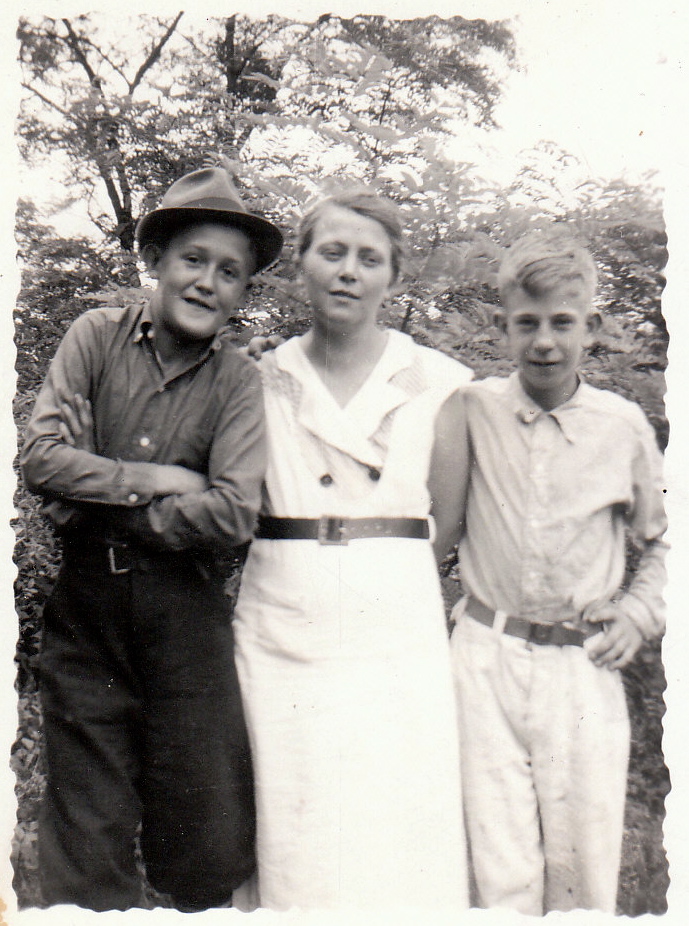
“Surely, if anyone were entitled to be bitter or angry at the hardships of life it was she. She was not. Her smile was shy but warm and sincere and charmed all upon whom she bestowed it, which she did with unfailing generosity, except when anything or anyone threatened her children. At such a time she became a she-tiger whose path you crossed at your peril, as my father was reminded from time to time.
“She had a wry wit, an easy laugh and an unshakable conviction that God would take care of us. (He did, if sometimes a bit skimpily.) Despite her long hours of hard work she found time for her flower beds, which were beautiful indeed. She found time for her children as well, helping us to dye Easter eggs, making Halloween costumes for us, trimming the Christmas tree while she led us in the carols. She sang all the time, mostly hymns, in a clear, sweet soprano. …
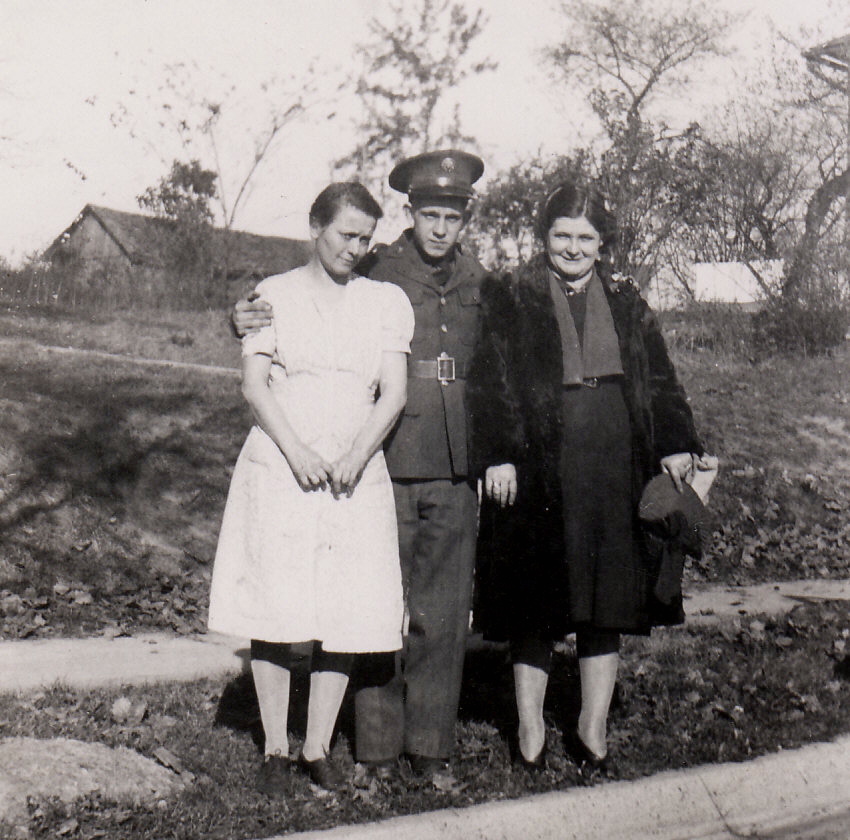
“We all of us got from time to time a smack on the behind, but for the most part she was not one for taking a hand to any of her children. Her form of punishment was far, far worse, and we learned to avoid it at any cost. Our punishment was knowing that we had disappointed her or, if our peccadilloes were major ones, had broken her heart. Worst of all, she blamed no one but herself. She had failed as a mother if her children could do such things.
“…she raised her brood to be self-reliant (all my brothers, macho regardless, learned to cook and to sew), honest, and to adhere to certain standards of behavior that were to be expected of Mrs. Banis’ children.
“Now we all know there is genuine generosity of spirit and there is a form of selfishness and manipulation that masks itself as generosity of spirit for the sake of controlling, or laying guilt, on others. I think perhaps the greatest gift our mother gave her children was in allowing us to feel as we were growing up that we were worthy of the efforts she made on our behalf. It was only as we got older and a trifle wiser that we were able fully to appreciate the extent of her sacrifices. That, in case you were wondering, is the true generosity of spirit.
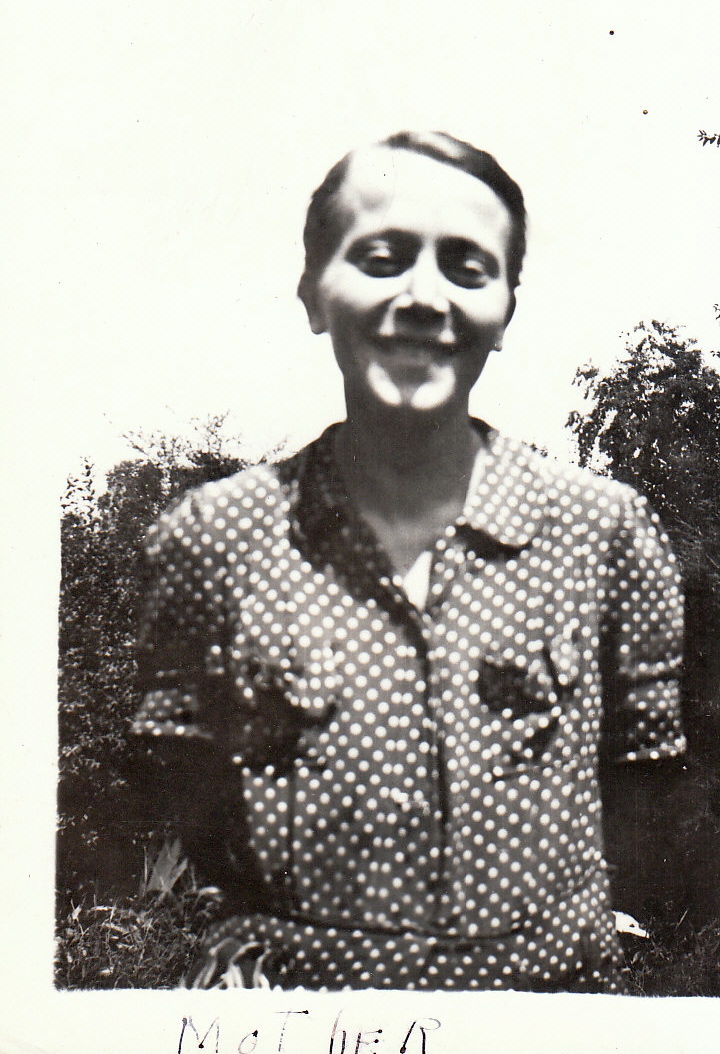 “I suppose in a sense we all of us could have been said to be Mama’s boys and girls. Certainly she loved us and worked hard to take care of us and raise us to the best of her abilities. We were close, we were loving, we were friends. She was not a coddler, however. She wasn’t, for one thing, a demonstrative sort; none of us are. And she simply hadn’t the time (nor, I am sure, the energy) to dote on us individually. We were taught to look out for one another, which we still do, but most important of all, to look out for ourselves. We were expected to be self-reliant and independent; we were and are, perhaps to a fault.”
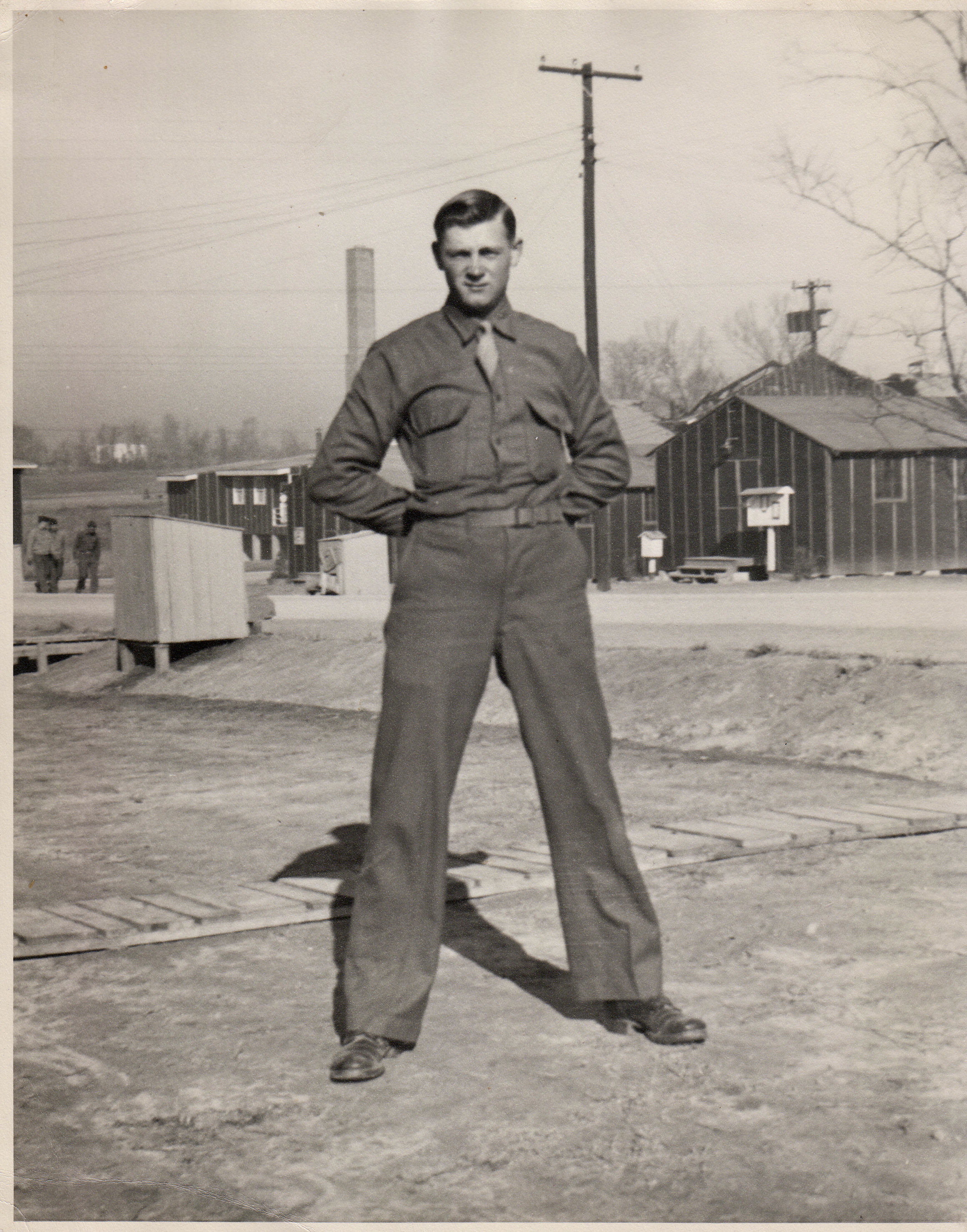
BILL BANIS
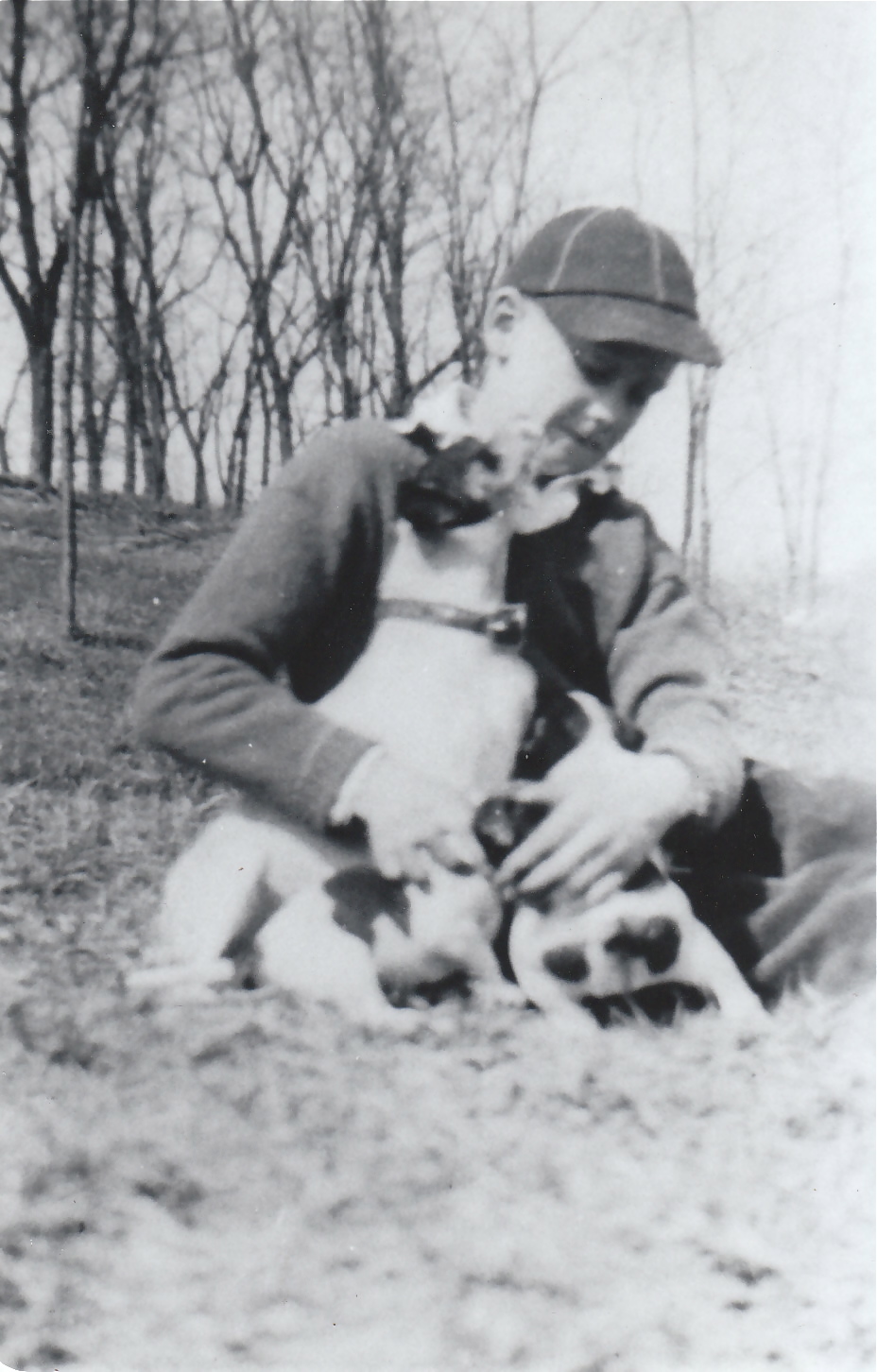
William Meryl Banis was born on April 29, 1921. “Bill” was the second of 11 children and the first boy. His younger sister, Ruth, remembers him as quiet but not shy. Of course, in this household where father ruled with an iron hand, all the children were quiet. Bill grew up in southwestern Ohio. At about age ten he moved with his family to central Pennsylvania, and in the summers Bill played with his brothers and sisters in the fields, streams and mountains near the town of Alexandria. In the winters he attended school before dropping out after the eight grade. He liked music, and in the mid-1930s his father bought him his first guitar; considering the family finances, a grand gift indeed. I imagine that he worked at odd jobs, but there is no one left who remembers. Bill moved back to Ohio with the family in the late 1930s.
At the age of 17, Bill joined the Civil Conservation Corps (CCC). He enrolled in Xenia, Ohio on January 5, 1939, reporting to the Preble County Courthouse on February 14, 1939. He was assigned to a camp in Mason, Nevada, a town with a population of a few hundred, located in the western part of the state about 50 miles west of Lake Tahoe. It must have been intimidating to be 17 years old and making the trip to such a far off place, so different from the rolling farmland of western Ohio. On the other hand, the Banis children had faced hardship all their lives and armed with the support of a mother of deep faith, I expect that they were fearless.
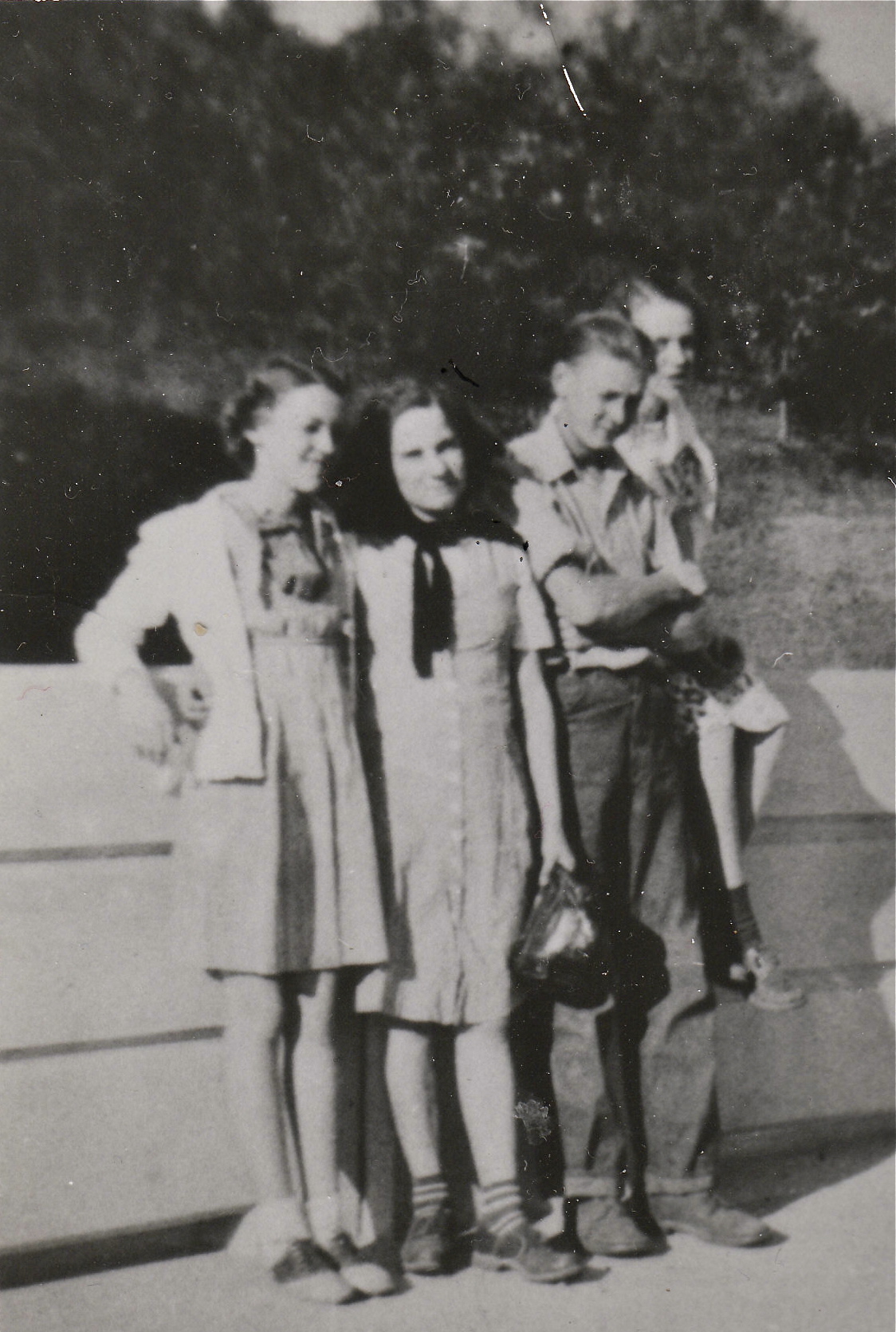
Bill sent his first letter home from the Cs, on February 18, 1939, a few days after he arrived in Nevada. He informed the family that he “is doing well and …the scenery is wonderful… and …they have beautiful sunset(s.) …I started going to…church because I thought you would want me to, but mostly because I met good looking girl(s)…Yesterday we had a fist fight, and one guy got beat so bad they had to carry him in the barracks…(and)…two fellows got in a fight and one fellow lost two teeth the other guy got a black eye and a bloody nose…but (be)side that we don’t have much action out here.”
Late in the spring of 1939, Bill became ill. It was serious enough that the CCC transported him to Letterman Hospital in San Francisco. A month later on June 30, 1939, Bill was released from the hospital and the CCC and returned home. On January 16, 1940, he re-enrolled into the CCC and was located at a camp near Hurricane, Utah. Hurricane is in southwestern Utah, near Zion National Park.
Bill would remain in the Cs through 1940 and 1941, becoming a camp foreman and eventually a sergeant. It appears that he did not get home during that time. It was an isolated life. There were the other boys in camp and letters from home which on occasion contained photographs of family and friends. In one letter Bill comments, “Boy, those pictures from home came near to making me home sick….I guess I’ve made quite a lot of these boys in camp here homesick…every evening when the boys go to bed I usually get out my old guitar and play and sing until the boys are all asleep and I’m nearly so myself… There was a fellow here the other day that told me if I would come to one of the big lodges at Bryce Canyon next spring…I could try out for a job playing music and singing for tourists…he said I was twice as good as most of the guys that have been there the last couple of years.”
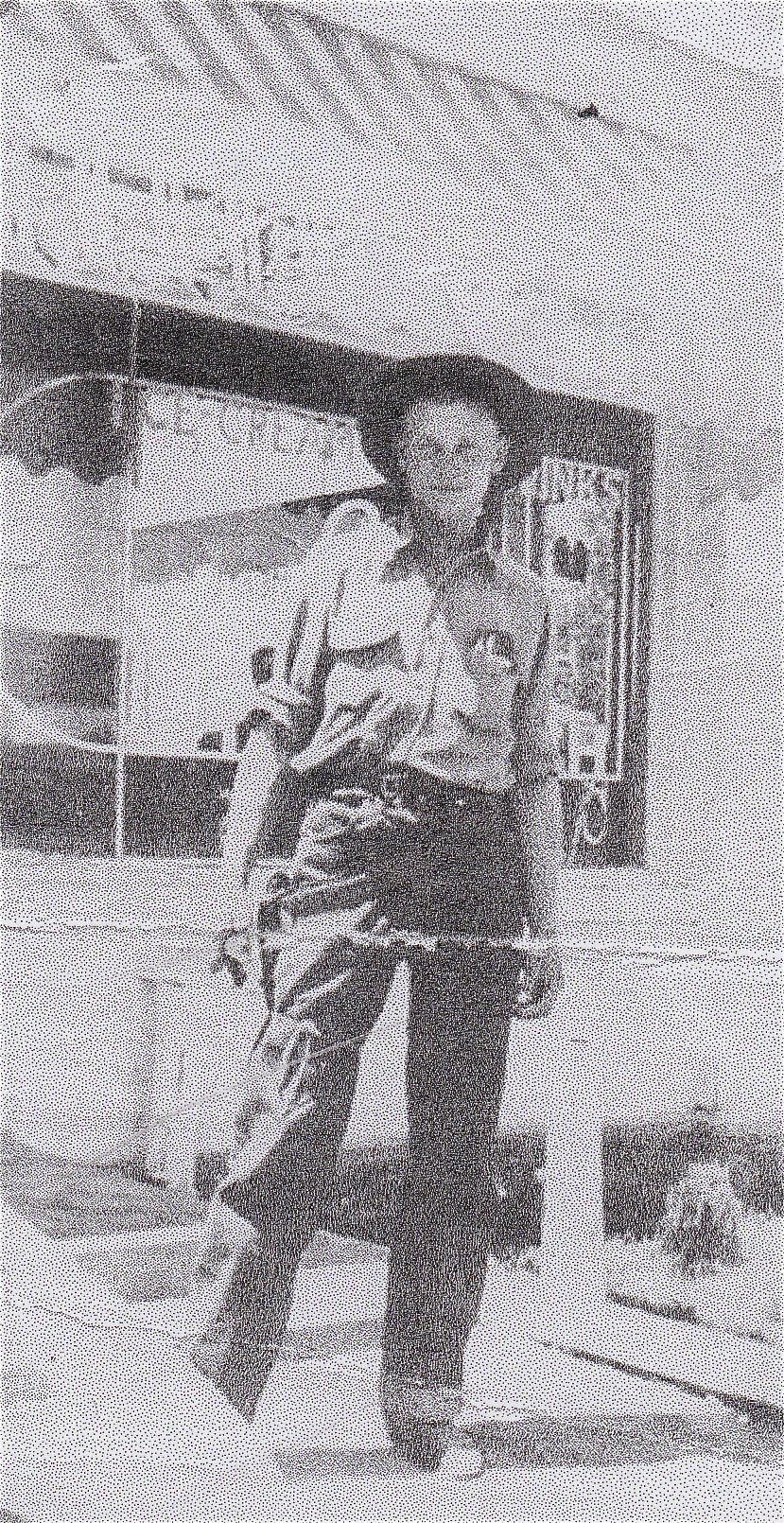
In early December of 1941, Bill finally got a pass and wrote that he will be coming home for Christmas, his first return trip in nearly two years. But a few days later is December 7, 1941, and his pass was cancelled. In early 1942, he was promoted to a 1st sergeant in the Cs. Effectively the Cs were now a boot camp, training young men for induction into the armed services. It was a hard, meager, dangerous and brutal life. Far from being untouchable as an officer, Bill was routinely involved in fights with the new CCC recruits that he was training. In February 1942 he wrote to his older sister Eve of a strong desire to leave the Cs. He subsequently registered with the Eaton, Ohio draft board.
In March of 1942 Bill left the CCC. A letter from his CCC camp commander reported him AWOL for not appearing for roll call on March 9, 1942. A subsequent letter, dated March 23, 1942 from the commander honorably discharged Bill from the CCC by reason of “urgent and proper call.” It is unclear whether he was actually AWOL, or if it was just a CCC snafu.
Bill returned to Eaton, but after a few weeks there, he became restless and went on the road again. Late in March he wrote home from Kansas, in May from Utah, in June from Idaho, and in July from Nevada. During those days he was a drifter finding work where he could. He was a lumberjack, a rancher, a goat herder, and even did some rodeo work. By August he had found work at a government munitions plant near Las Vegas, Nevada, where he was a laborer and occasionally an ambulance driver.
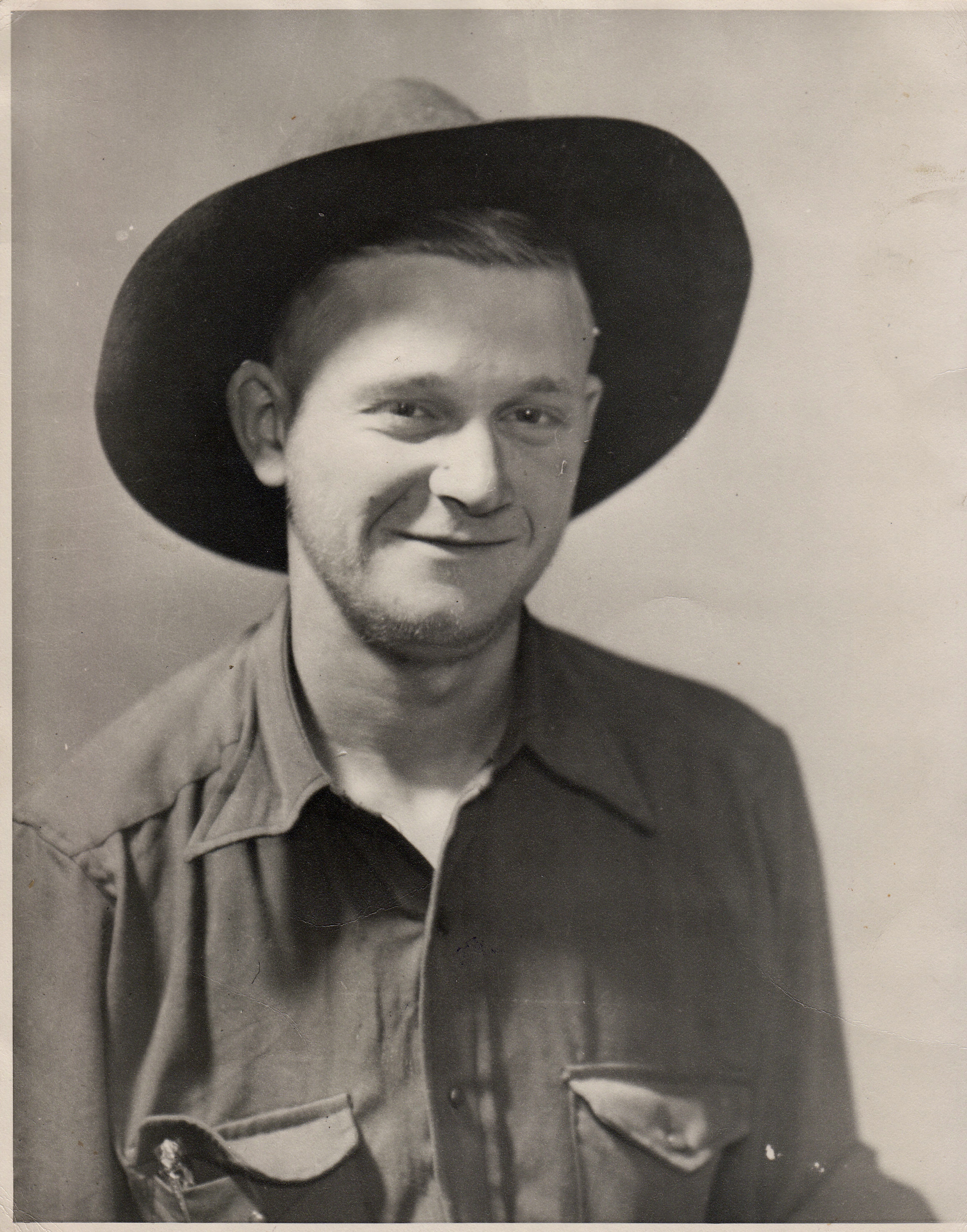
Restless again by October 1942, Bill wrote to Eve about wanting to leave the plant which he did returning to Eaton in early November 1942. He was inducted into the Army in late November and left Eaton by train in early December to begin basic training.
 ww2letterproject