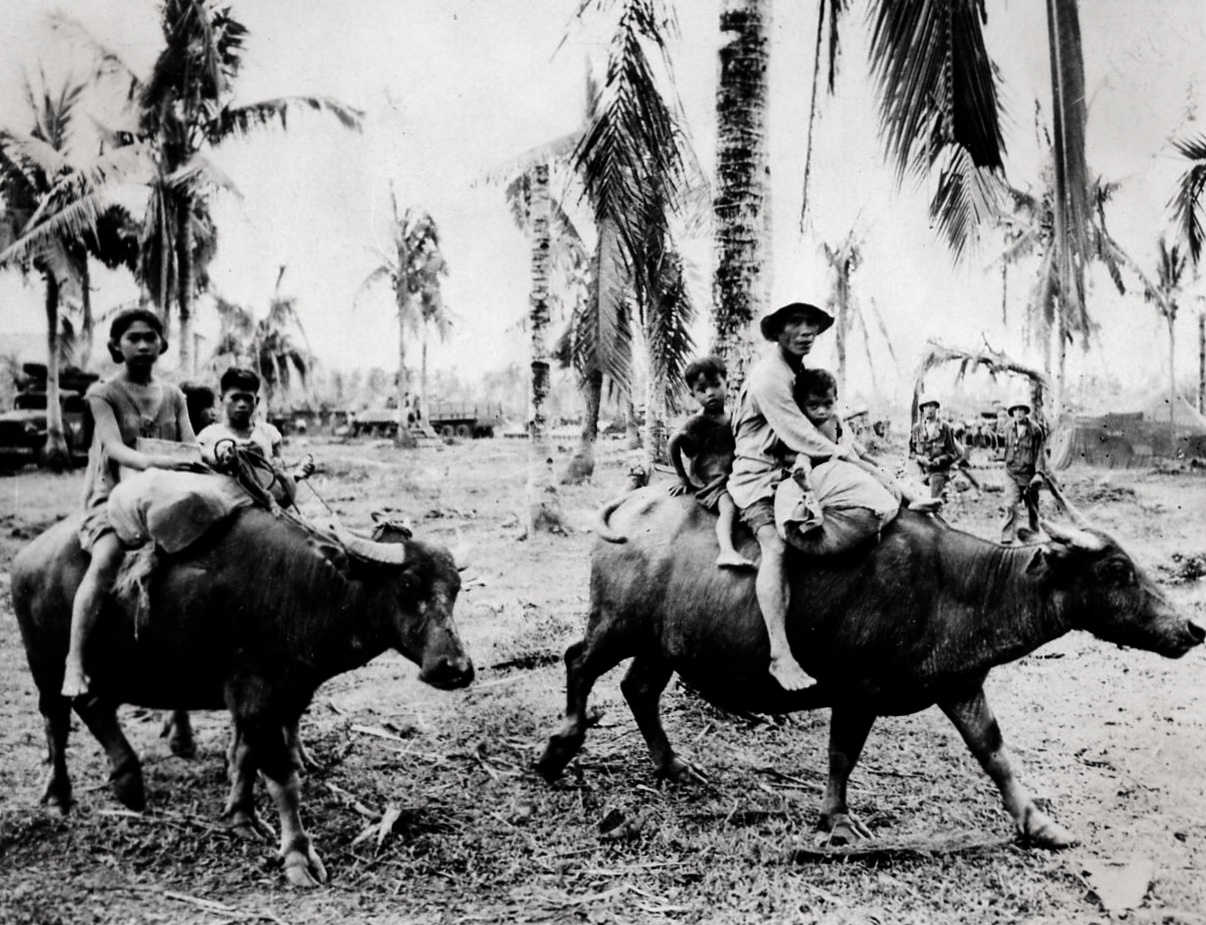
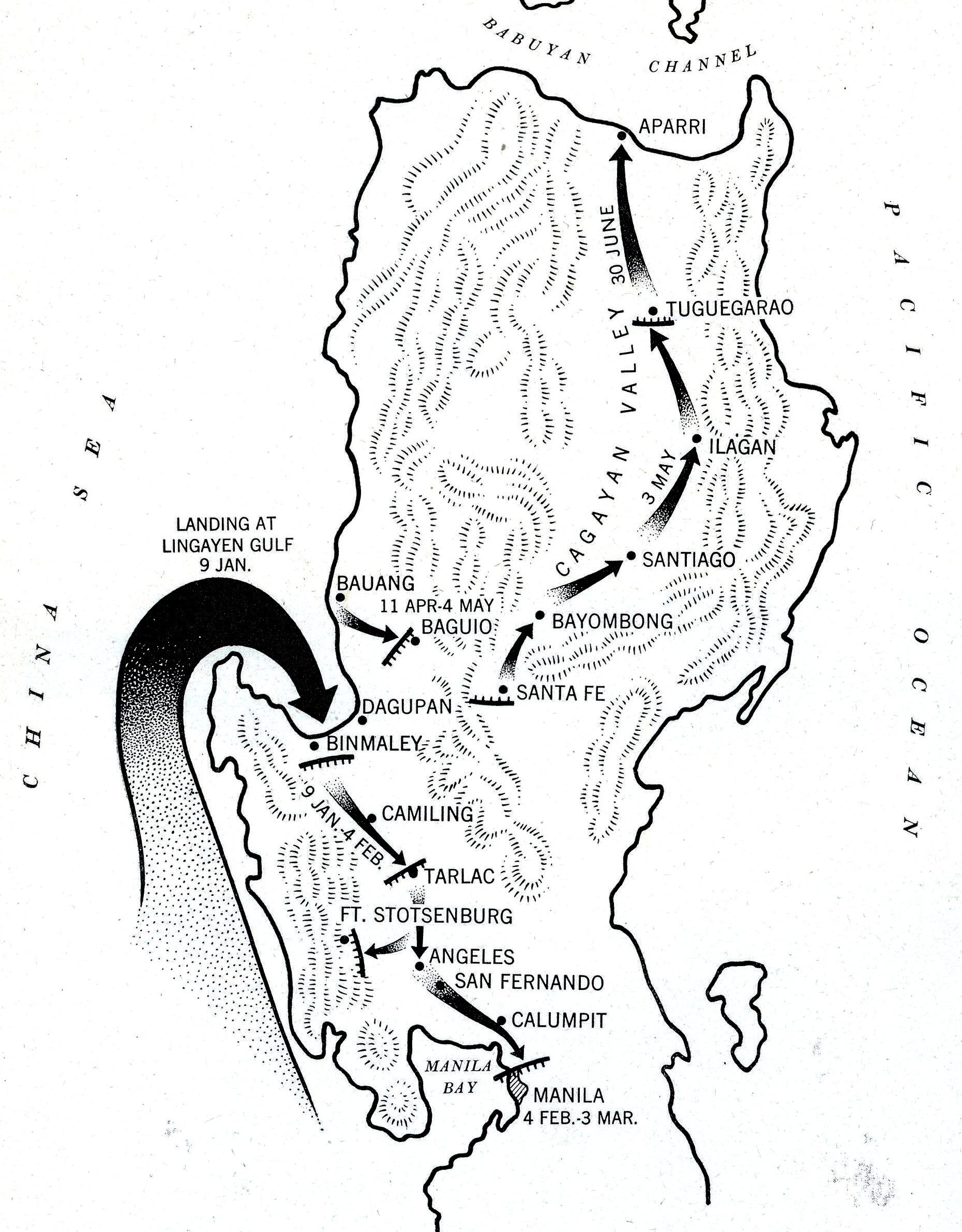
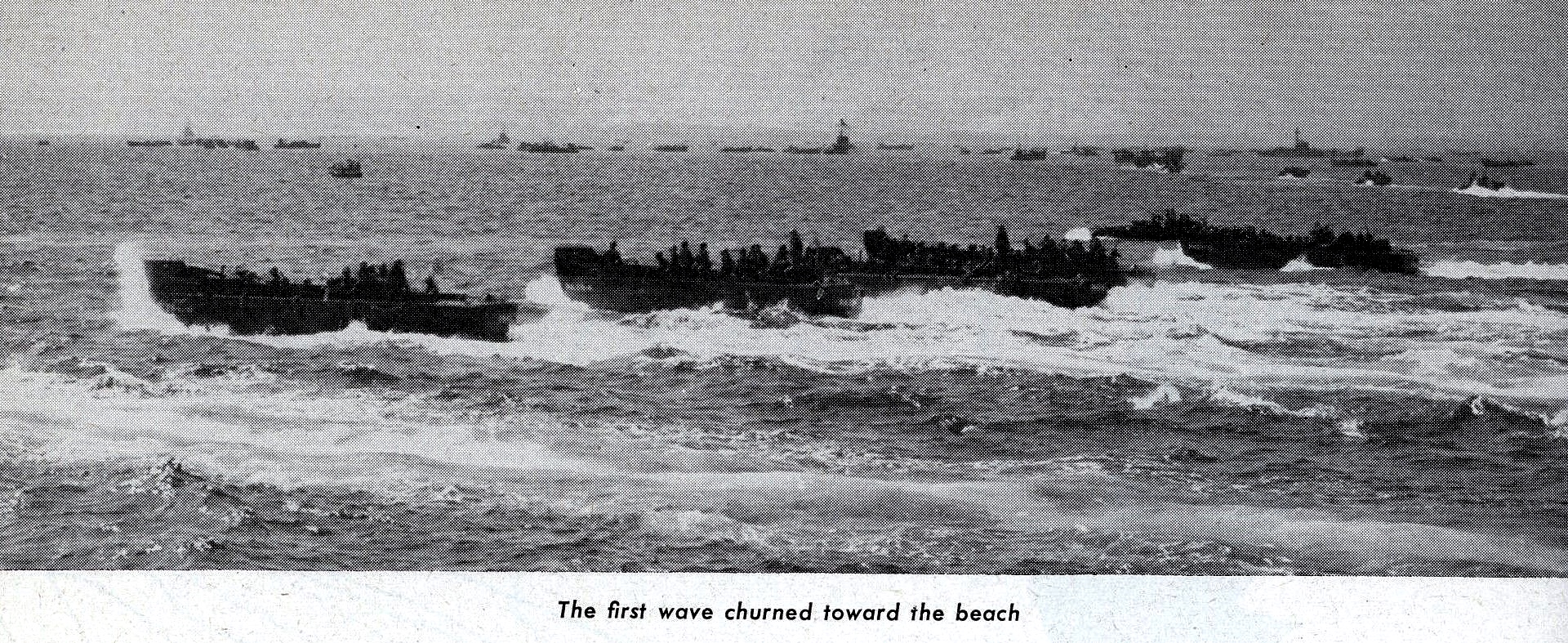
On January 9, 1945, Reveille sounded and breakfast was served at 0445. The sun rose over the Caraballo Mountains. At 0630 the US Navy ships and USAF planes began bombarding the shore. At 0730 the PA system announced, “NOW HEAR THIS… prepare to man your boats.”

Higgins were loaded into water. Over the nets and into the boats went men. Landing craft got within 25 yards of the beach, and the troops disembarked. The first wave of troops expected heavy enemy resistance as they hit the beach, but the Japanese forces had withdrawn toward Manila leaving the beach undefended.
The Navy began shelling several miles inland, and the Allied troops advanced. It would take several days for the entire assault force to land. The 136th went ashore January 10.
By January 12, the Allies were 29 miles inland. No large force was encountered as the IJA continued its rapid withdrawal.
A few days later the 37th met resistance at Fort Stotsenberg and Clark Air Field. The area was protected by extensive mine fields. Field engineers removed more than 1300 mines without incident. With their superior observation position, Japanese artillery used aggressive counter battery fire against US artillery, destroying two of the 136th’s 105mm howitzers, and causing five casualties. One enemy round made a direct hit on Gun 2 of Battery A of the 136th, but the shell did not explode. On January 21, the US flag was raised over the fort. The 129th Infantry Regiment of the 37th (approximately 1500 soldiers), the principal combat unit in the attack, three officers and 67 enlisted men were killed, and 18 officers and 304 wounded. Japanese losses were 782 dead.


By January 24, the Allies were 70 miles inland and 90 miles from Manilla.
On January 31, General Beightner, the commanding officer of the 37th, met with General McArthur. They decided to advance rapidly to Manila hoping to rescue prisoners and save the city from destruction by the Japanese.
February 1, advance units of the 37th reached a major crossroad north of Manila that was defended by 700 IJA troops. The battle started that night and continued through the next night. The 37th got its first taste of street fighting. The Japanese defenders were entrenched behind reinforced concrete walls too thick for the Allies 105mm cannons to penetrate. The 155MM artillery batteries of the 136th established positions near the enemy lines and fired shells from short range that penetrated the concrete walls. This action was followed by firing phosphorus shells into the building. Those Japanese who survived the flames were cut down by allied riflemen as they ran from the building.
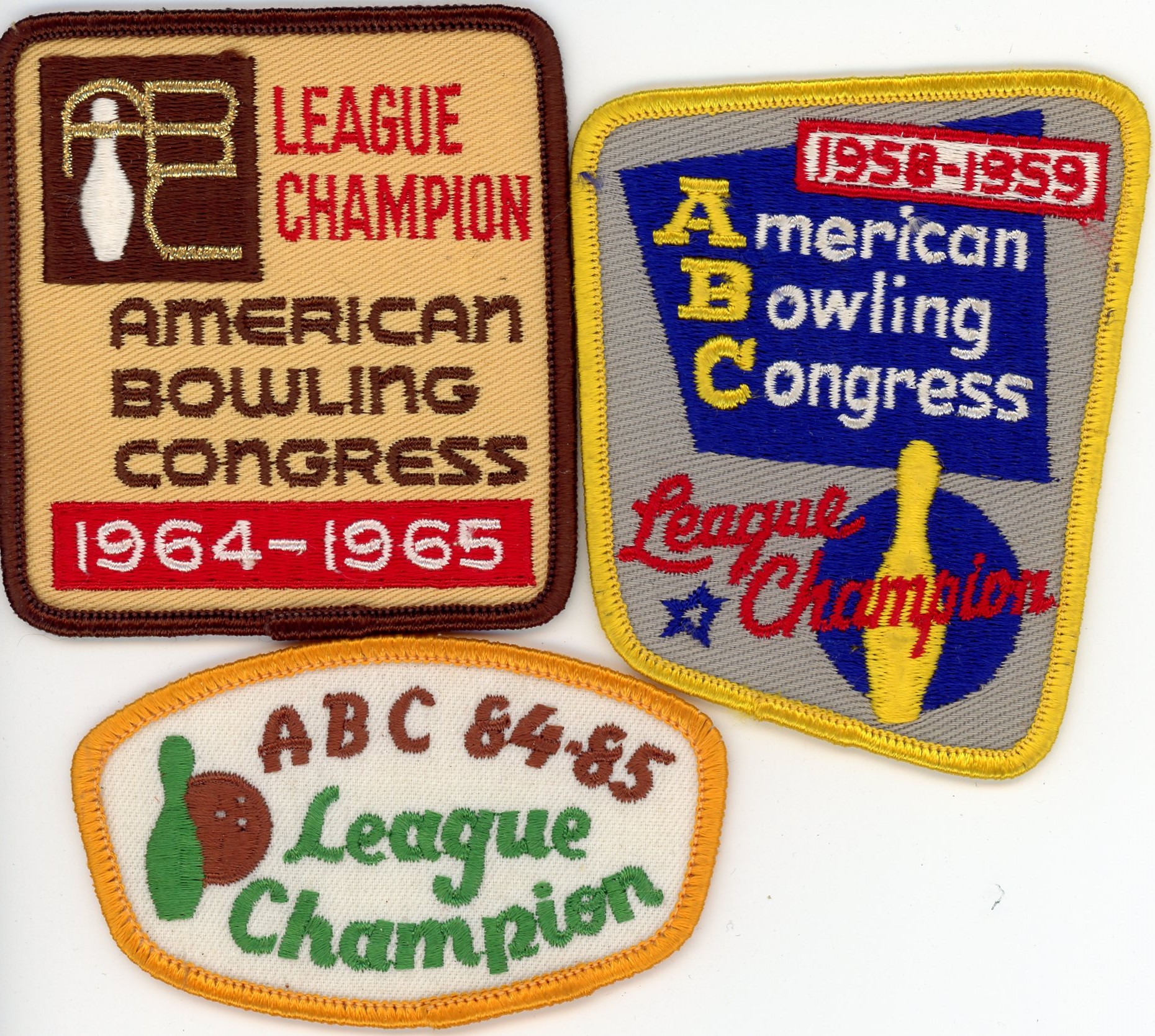 Dad liked to bowl. I spent many hours of my youth in bowling alleys.
Dad bowled on a league team twice a week and often would sub one night a week. My sister and I often went with Dad on these evening outings. I don’t recall whether we asked or were told to accompany Dad. I expect when it was his turn to be our caregiver, he effectively opted to “enroll” us in the “Belmont Lanes” day care center. I spent so many hours in a bowling alley, that I’m convinced that for years I smelled like cigarette smoke and a pork tenderloin sandwich.
My sister and I were free to wander the establishment. We usually had some of Dad’s pocket change which provided for perhaps a bottle of soda or a candy bar or an arcade game. I don’t recall many details about those outings, except that there was a constant crescendo and that I had fun.

Dad carried a 180+ average. Several times he bowled in an annual national tournament. One year the national was held in Miami Beach, FL. We went as a family. We got a room in a motel that had a swimming pool and was on the ocean. It was very much the high life for our family.
Dad and Mom traveled to other nationals including one in New York City. On that occasion, my sister and I were left in Dayton under the care of Dad’s sister, Nancy. On one of those tourneys, Dad rolled his all-time high game of 268 (I think) and finished with a three-game series near 700. He finished in the money. Nancy also bowled in leagues several times a week and, on occasion, my mom and dad bowled together in a mixed doubles league.
Manila is one of the great cities of the Far East with one the greatest harbors in the South China Sea. Within the city and located along the bay was an ancient, walled inner-city fortress called Intramuros. Manila was nine miles wide from north to south and separated by numerous tidal estuaries as well as being bisected by the roughly west to east flowing, broad Pasig river.

In 1945 Manila was a tropical seaport metropolis with a thriving downtown located south of the Pasig River. It was filled with huge, modern hotels, magnificent churches and a spectacular public plaza. The population of Manila was more than one million, a large portion of whom were Chinese.
North of the Pasig River the Japanese controlled internment centers at Santo Tomas University and the Old Bilibid Prison. Both were important Allied objectives, since they contained numerous US citizens being held as prisoners.
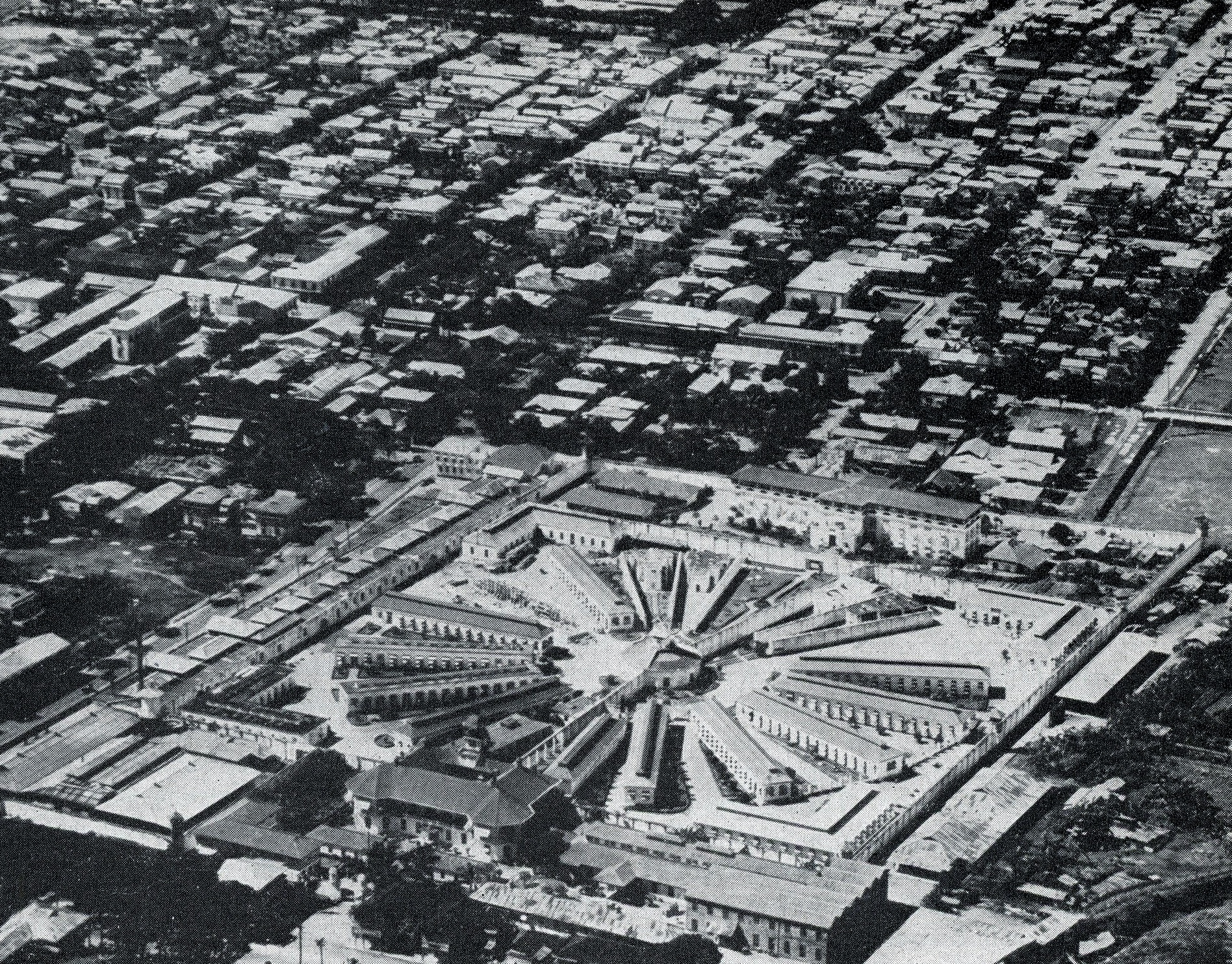
The IJA commanding officer, General Yamashita, withdrew into the mountains near Baguio in December 1944 leaving 23,000 IJA troops to defend city. The force was expected to hold designated buildings and various other strongpoints with no thought of maneuver or retreat. The purpose was to delay and cause Allied force attrition thus providing the time needed for the destruction of buildings and facilities so that the Allied forces could not use Manila as a base for future operations or as a center for government and civilian control. Reserve troops would be unavailable, and the defenders were not to leave their positions even in the face of annihilation. For the US forces this meant the defenders had to be exterminated in place. The Japanese plan also included creating chaos among the civilian population.
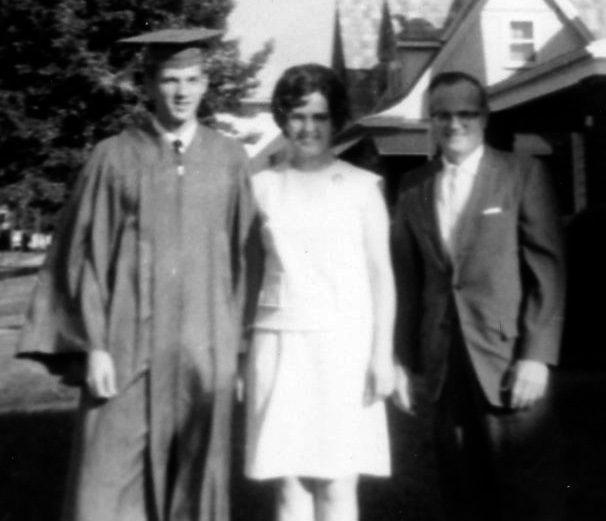
Dad was a quiet man, usually very calm. Even when he drank heavily, he was mellow and tried his best to have a good time.
One evening in the 1960s, the family gathered in the living room to watch TV. At some point, Mom left the room and went in to the kitchen to prepare a snack; I was a teenage boy and constantly hungry. She decided to prepare French fries. She filled a saucepan with cooking oil and placed it on a stove burner set on high. She returned to the living room to join us watching TV. It must have been a good program.
We stared intently at the small screen inside the wooden cabinet. Suddenly we were startled when Mom yelled, “The kitchen is on fire!” Everyone rushed into the kitchen to see a saucepan topped with flames several feet high. The flames were licking at the cabinet doors above the stove.
What to do? Suggestions were yelled simultaneously in panicked voices… Throw water… NO! Not on a grease fire!… How about flour… How about a rug… Call the fire department… I expect someone even considered running outside and yelling, “Fire!”
In the chaos, Dad suddenly appeared. He had remained in the living room, sitting for a few extra minutes of TV watching. It must have been a good program. Without a word, he calmly parted the panicked crowd and approached the fire. For a second or two, he fished in a lower kitchen cabinet and brought out a large skillet lid. Pausing briefly, he assessed the situation, he then tossed the lid over the sauce pan, and the fire was extinguished. Using a pot-holder he picked up the sauce pan and carried it towards the back door, opened the door, pushed aside the screen door and stepped outside. He set the sauce pan on the concrete porch deck and went back into the house. His face showed no emotion except perhaps a hint of annoyance as he wordlessly walked past us as we stood stunned and silent. He continued nonchalantly into the living room, sat down and continued watching TV.
It must have been a good program.

The battle for Manila was unique to the Allied war in the South Pacific. It was the only time American forces attacked and seized a great city from the Japanese. The American troops had been trained in jungle fighting and to some extent in open terrain and mountain warfare but not in city warfare. They had no experience and would have to improvise.
By February 3, 1945 the 37th reached the outskirts of Manila.
 ww2letterproject
Great post about the battle for Manila and your anecdote about your family of course. Thanks for sharing.
LikeLike
When our family stayed at the beach near Miami my sister and I were once entrusted to the care of the wife of one of Dad’s co-workers named Jimmy Poore. I recall he was a short thin fellow and his wife was a short woman of great girth. I know this is not PC but I recall that some smart ass kid walked by her and said “hey lady give us a break and get up so the tide can come in”
LikeLike
My sister recalls that Dad was burned during his fire fighting. After much discussion he reluctantly agreed to go the hospital for treatment.
LikeLike
Well done
LikeLike