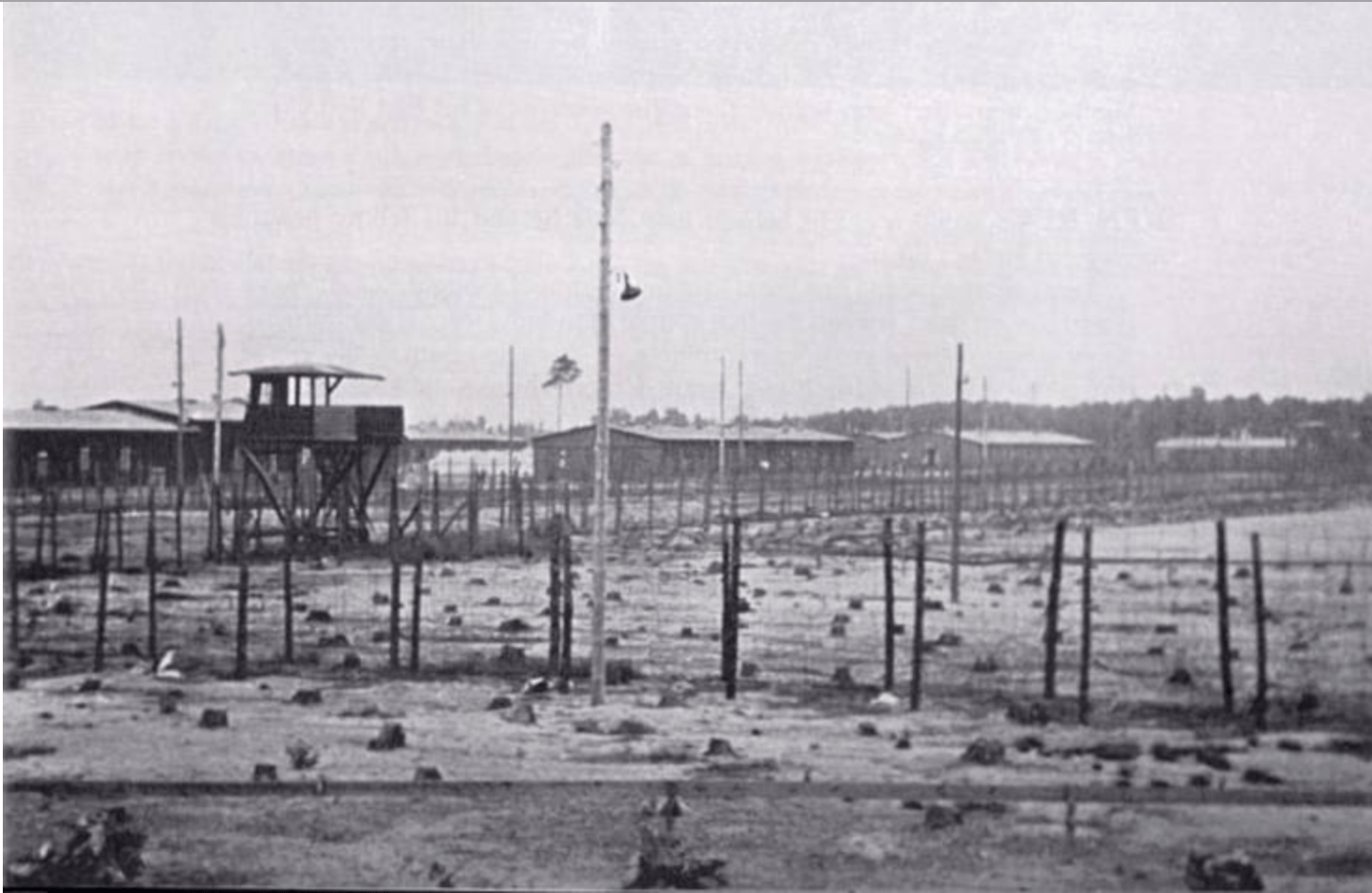
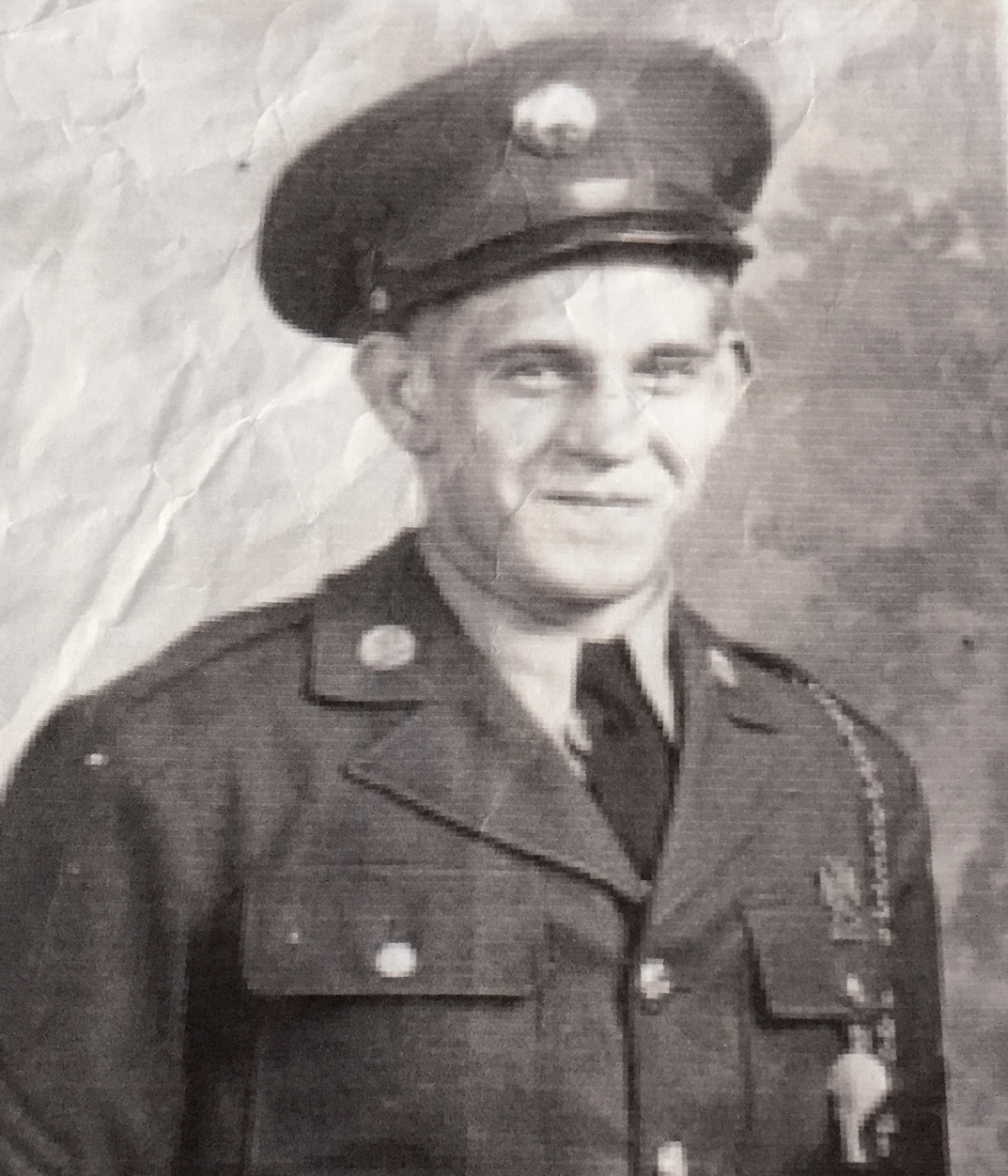
November 1944
Stalag Weather:
The average temperature is 45 degrees F; low, 36. About 15 days of rainfall in November is normal. The average rainfall is 1.89 inches.
On the War Front:
- Franklin Delano Roosevelt wins a fourth term as U.S. President
- Aircraft carrier The USS Lexington is heavily damaged by kamikaze attacks
- V-2 rockets continue to hit Britain at the rate of about eight a day
- The war in Italy is at a stalemate, partly because of heavy rains
- Heinrich Himmler orders the crematoriums and gas chambers of Auschwitz II-Birkenau dismantled and blown up
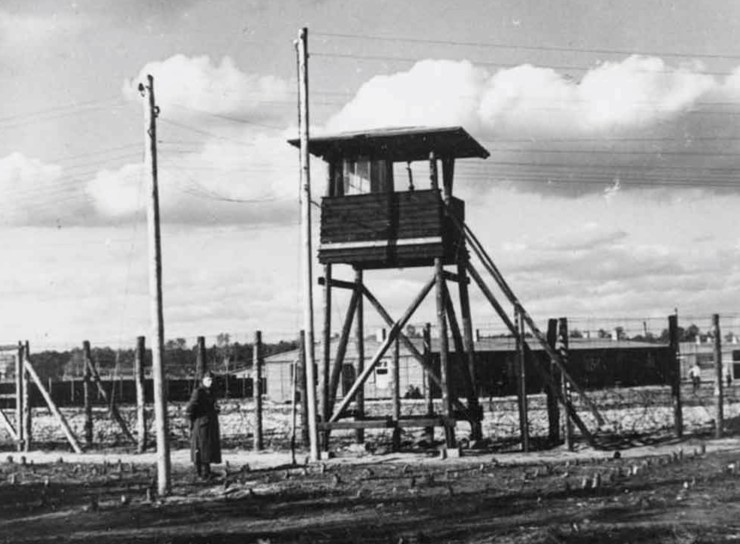
On (or near) November 1, 1944, Abe’s parents received a telegram from the War Department notifying them that Abe was a prisoner of war.
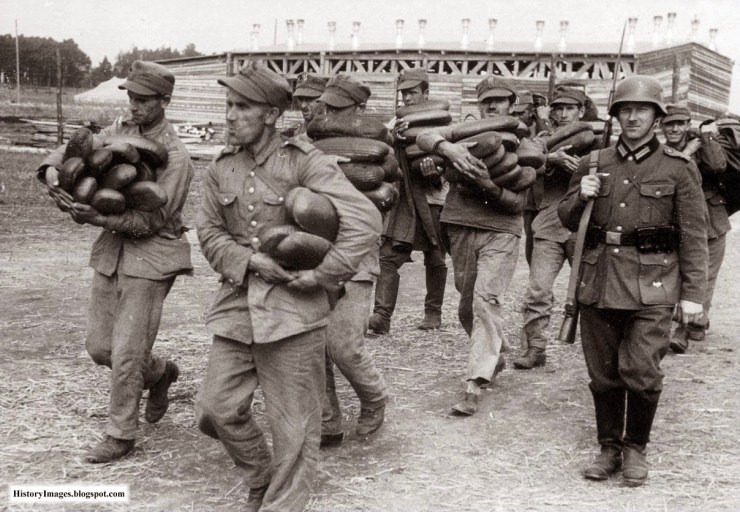
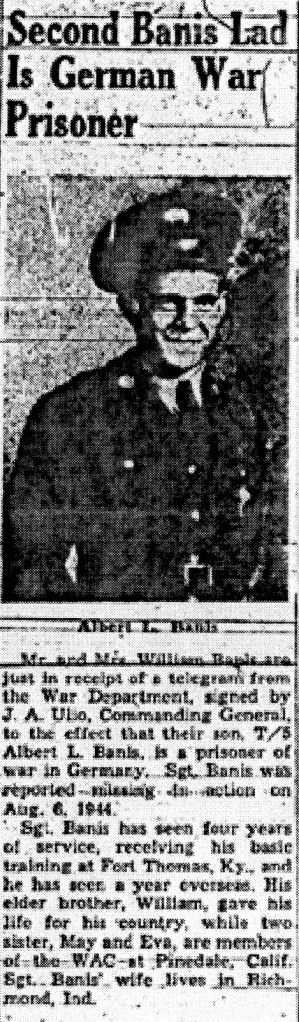 The POWs were always hungry. Sometimes there was coffee or tea. The coffee was made of barley.
Prisoners were served one meal a day – it was always soup.
Abe noted in his journal:
“POW menu: Sun – pea soup; Mon – oatmeal soup; Tues – dehydrated kraut; Wed – pea soup; Thur – turnip; Fri – dehydrated cabbage or kraut; Sat – turnip or rutabaga”
Abe’s son Ron recalls, “Dad told me that he was forced to work in fields, [harvesting] rutabagas.”
Food from the Red Cross packages and camp bartering augmented the daily menu.
Abe recalled that in addition to the soup, each POW got one-sixth of a loaf of bread every day except on Sunday and Wednesday when they got one-fifth of a loaf.
Winter weather began to affect the POWs. The typical POW was always cold, exhausted and hungry.
Dysentery and intestinal problems plagued everyone.
“The Camp had no doctor. While in the camp we had little medical care unless you were in bad shape.”
-Abe
Life Behind Barbed Wire:*
Nathaniel G Raley:
“…We were not beaten. …food was scarce… The diet consisted mostly of black bread and potatoes. The black bread was made of [-] it was very heavy. It was made, I remember one of the ingredients, was 20 percent sawdust and 10 percent straw ground up. And the rest of it was some nebulous kinds of grains. So it was very heavy. But anyhow, we ate it. I found out, I learned, on occasion we’d get cabbage. That was a fresh vegetable. That was unusual. Of course, it had to be in season. Then occasionally, we would get cooked barley. I had never had barley in my life. You eat anything.
“In the barley were grub worms about the size – I may be using the wrong term. I don’t know what kind of worm it was. But it was white and about like this {indicating pinky finger}. And we used to snoop around and get them, “Ah, meat with the barley.” 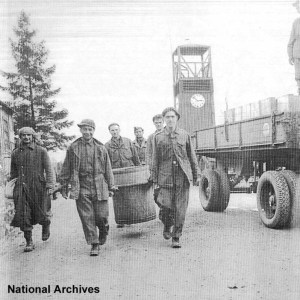 And you’d go and dispose of it. Then, we’d still eat the barley. You can’t afford to throw it out. Another time, we got blood sausage. I had never heard of any, never heard the term. But it was made from blood, animals, and I ate it. I found out that you will eat anything.”
*Interviews of American soldiers who spent time in WWII German POW camps by the Library of Congress: Veterans History Project: http://www.loc.gov/vets/
Abe noted in his journal:
“Thanksgiving menu: Breakfast – none; Dinner – pea soup, 1/6 loaf of bread, 25g butter, 62½g chees, 60g meat”
Tomorrow: Days 112 – 144
*banner photo courtesy of https://wallyswar.wordpress.com/pow2/
 ww2letterproject
Leave a comment